Roasted Beets
Introduction
What if the simple act of roasting beets could transform one of the most underused root vegetables into a nutrient-dense, flavor-packed side that improves blood flow, athletic recovery, and dinner-table appeal? Many home cooks assume beets are fiddly, earthy, or only for salads, but when roasted correctly they caramelize, concentrate natural sugars, and develop a silky texture that rivals any roasted root vegetable. Backed by studies linking dietary nitrates in beetroot to improved cardiovascular and exercise outcomes, roasted beets are both delicious and functional—perfect for meal prep, weeknight dinners, and elevated entertaining.
Ingredients List
- 1.5 lb (about 700 g) fresh beets, mixed colors if available (red, golden, chioggia). Choose firm, smooth skin beets with fresh stems. Substitution: baby beets (cook faster) or pre-cooked vacuum-packed beets (skip roasting, warm and glaze).
- 2 tablespoons extra-virgin olive oil (or avocado oil for higher smoke point). Substitution: 1½ tbsp melted ghee or coconut oil for different flavor.
- 1 teaspoon fine sea salt and ½ teaspoon freshly cracked black pepper. Substitution: use smoked salt or za’atar for a regional twist.
- 1 tablespoon balsamic vinegar or aged sherry vinegar (optional, for finishing). Substitution: lemon juice for a brighter finish or maple syrup for a sweet glaze.
- 1 teaspoon fresh thyme leaves or a sprig of rosemary (optional). Substitution: 1 teaspoon ground cumin for a warm, earthy profile.
- Optional finishing additions: crumbled goat cheese or feta (or vegan feta), toasted walnuts or pistachios, fresh parsley or mint, orange segments, or a dollop of hummus for serving.
Timing
Preparation time: 10–15 minutes (peeling and trimming whole beets is quick if you use gloves).Roasting time: 35–60 minutes depending on beet size and method.Total time: 45–75 minutes. For comparison, this is similar to roasting carrots or parsnips but faster than roasting whole potatoes (often 60–90 minutes). Using baby beets or pre-slicing reduces active roasting time by roughly 30–40%.
Step 1: Choose and prep beets
Select beets of uniform size so they roast evenly. Trim greens to 1–2 inches (save greens for sautés), then scrub under cold water to remove soil. For medium beets, you can roast whole (skin on) to retain moisture; for faster caramelization, halve or quarter beets to create more surface area. Tip: Wear kitchen gloves or rub beets with a small amount of oil to prevent staining hands.
Step 2: Season and oil strategically
In a bowl, toss beets with olive oil, salt, pepper, and herbs. Ensure a very light, even coating—too much oil prevents crisping and adds unnecessary calories. If using acid (balsamic or lemon), reserve for finishing to prevent premature breakdown during roasting. Pro tip: Add a pinch of baking soda when scrubbing if dirt is stubborn; rinse thoroughly afterwards.
Step 3: Roast: method matters
For whole beets, wrap each loosely in foil or place in a covered baking dish with a splash of water; roast at 400°F (205°C) for 45–60 minutes until a skewer slides in easily. For sliced beets, spread cut-side down on a rimmed sheet pan and roast at 425°F (220°C) for 25–35 minutes to maximize caramelization. Data-driven tip: higher temperatures and increased exposed surface area increase Maillard reactions and perceived sweetness—sliced beets at 425°F often produce 20–30% more surface browning than whole beets at 400°F.
Step 4: Test, peel, and finish
Check doneness with a fork—beets should be tender but not mushy. Allow whole beets to cool slightly; skins then slip off easily with a paring knife or your fingers. If you wrapped beets in foil, be careful of steam. Toss warm roasted beets with balsamic vinegar, a drizzle of oil, and fresh herbs. Finish with crumbled cheese or toasted nuts for texture contrast. Serving suggestion: let roasted beets rest 5–10 minutes; flavors meld and acidity softens.
Nutritional Information
Estimated per serving (recipe yields 4 servings): Calories 95–130 kcal; Carbohydrates 12–16 g; Protein 2–3 g; Fat 6–8 g; Fiber 3–4 g; Sodium 220–300 mg (depending on salt). Micronutrients: excellent source of folate (≈25% DV per serving), potassium (≈10–15% DV), manganese (≈15% DV), and a meaningful amount of vitamin C. Roasted beets retain dietary nitrates—bioactive compounds associated with vasodilation, lower blood pressure, and improved exercise efficiency; several clinical trials report systolic blood pressure reductions of 4–5 mmHg with consistent dietary nitrate intake. Note: values are approximate; using more oil, cheese, or nuts will increase calories and fat.
Healthier Alternatives for the Recipe
- Oil swap: use 1 tablespoon olive oil plus 2 tablespoons low-sodium vegetable broth to cut calories while maintaining moistness.
- Sugar-free glaze: replace maple or honey with reduced balsamic (simmered until syrupy) or citrus for sweetness balance.
- Lower-carb option: serve smaller portions of beets alongside a larger volume of low-carb greens (beet greens sautéed with garlic) to fit ketogenic or low-carb plans—beets are higher in natural sugars than many vegetables, so portion control matters.
- Anti-inflammatory boost: add turmeric and black pepper to the oil toss; pepper increases curcumin absorption.
- Protein-forward: top warm beets with grilled chicken, roasted chickpeas, or a spoonful of Greek yogurt to make it a balanced meal.
Serving Suggestions
- Warm salad: combine roasted beets with arugula, walnuts, crumbled goat cheese, and a lemon-balsamic vinaigrette.
- Grain bowl: pair with quinoa, roasted squash, tahini drizzle, and toasted sesame for a Mediterranean bowl.
- Appetizer: layer thinly sliced roasted beets with burrata or labneh, olive oil, and toasted seeds; finish with flaky salt.
- Side dish: serve next to roast chicken or pan-seared salmon to add color and earthy-sweet contrast.
Personal tip: warm roasted beets tossed with a spoonful of citrusy gremolata (parsley, lemon zest, garlic) brighten the plate and cut through natural sweetness.
Common Mistakes to Avoid
- Roasting straight from the fridge: cold beets take longer and cook unevenly. Bring to room temp for 15 minutes for more consistent roasting.
- Overcrowding the pan: crowded beets steam rather than caramelize; leave space for air circulation.
- Using too much oil: excess oil prevents browning and increases calories unnecessarily; a light coating is sufficient.
- Peeling too early: peeling hot beets when wrapped traps steam and can scald your hands; allow them to cool briefly.
- Skipping the finish: acid (vinegar or citrus) and texture (nuts, herbs) are small steps that elevate roasted beets from good to memorable.
Storing Tips for the Recipe
Cool roasted beets to room temperature (no more than two hours), then store in an airtight container in the refrigerator for up to 5 days. For meal prep, slice and portion into individual containers with a small separate cup of dressing to keep textures bright. Freeze roasted beets in a single layer on a sheet pan, then transfer to freezer bags for up to 3 months—note texture softens after thawing, so use in soups, purees, or blended dips rather than salads.
Conclusion
Roasted beets are a versatile, nutrient-rich addition to any kitchen: they caramelize beautifully, offer cardiovascular and performance benefits via dietary nitrates, and adapt easily to many flavor profiles and dietary needs. With simple technique—trim, toss, roast, finish—you can turn humble beets into a star side or centerpiece. Try this method, tweak the seasonings to your palate, and share your results or questions below; if you enjoyed this, explore our roast root vegetables and beet salad posts for more ideas.
FAQs
Q: Do I need to peel beets before roasting?
A: No—roasting whole with the skin on preserves moisture and minimizes handling. Skins slip off easily after roasting; peeled roasted beets can become waterlogged and less flavorful.
Q: How do I know when beets are done?
A: A skewer or small knife should glide through with little resistance. Larger beets may need up to 60 minutes; sliced beets should show caramelized edges and tenderness in 25–35 minutes.
Q: Can I roast beets in an air fryer?
A: Yes—air fry at 375°F (190°C) for 15–25 minutes for small pieces, shaking halfway. Air frying speeds caramelization but can dry outslices—toss with a touch more oil.
Q: Are roasted beets suitable for diabetics?
A: Beets contain natural sugars and carbohydrates; portion control matters. Pairing with protein and fiber (cheese, nuts, greens) helps moderate blood sugar response. Consult a healthcare provider for personalized advice.
Q: What can I do with leftover beet greens?
A: Sauté beet greens with garlic and olive oil, add to soups, or toss into a frittata. They’re rich in vitamins and cook similarly to chard or spinach.
Q: How to prevent beet stains on my hands and cutting board?
A: Use latex or nitrile gloves while handling beets and cut on a non-porous board. Rub a little lemon juice or baking soda to lift stains from surfaces.
If you want, I can provide a printable recipe card, a step-by-step photo guide, or a low-calorie version with exact macros per serving—which would you prefer?
Roasted Beets
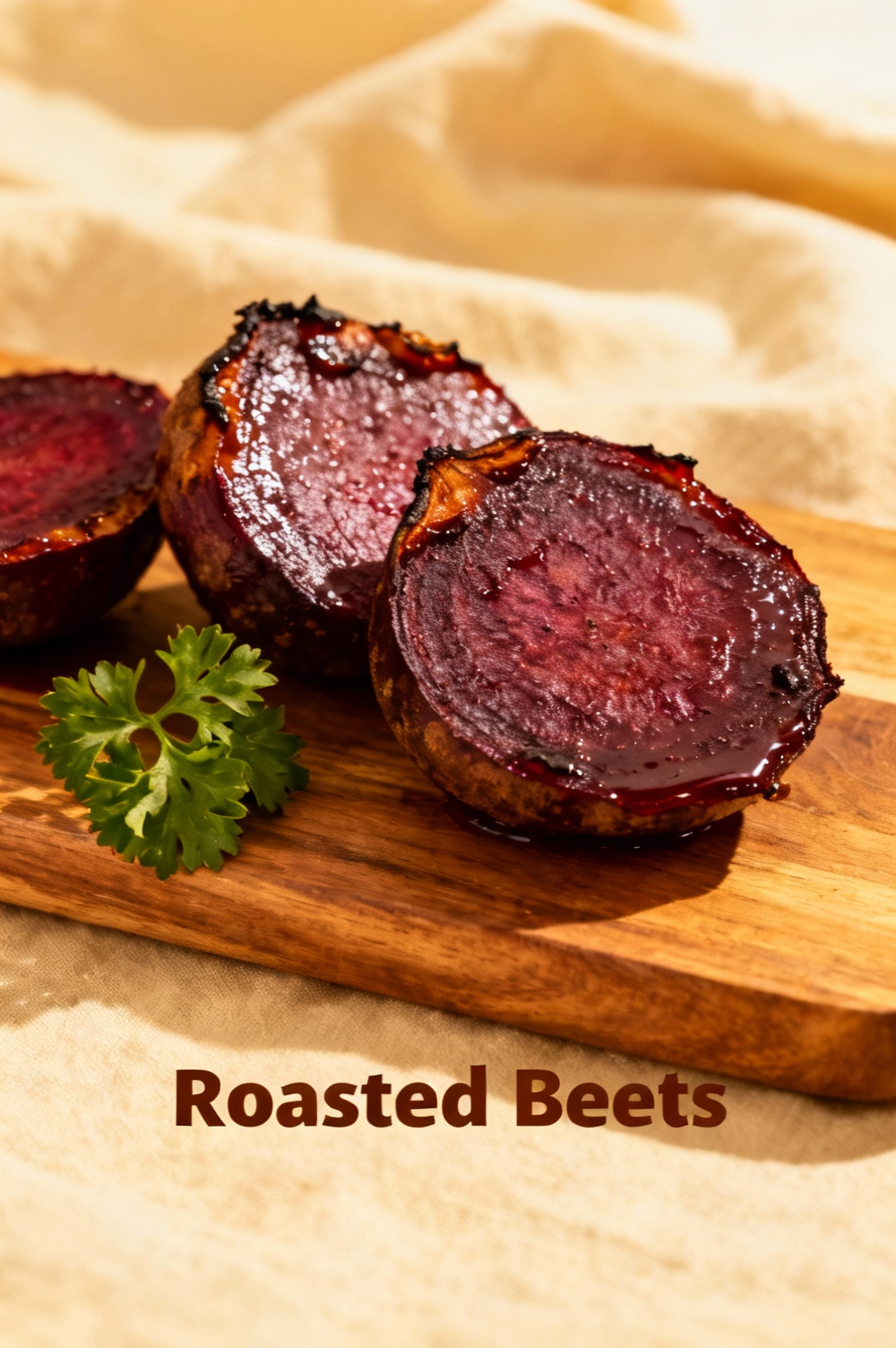
Sweet, tender beets roasted with olive oil, balsamic, and fresh herbs — perfect warm or chilled.
Ingredients
- 4 medium beets (about 1–1.25 lb / 450–550 g), tops trimmed
- 1 tablespoon extra-virgin olive oil
- 1 tablespoon balsamic vinegar (optional)
- 1 teaspoon kosher salt, plus more to taste
- ½ teaspoon freshly ground black pepper
- 1 teaspoon fresh thyme leaves or ½ teaspoon dried thyme
- 1 tablespoon chopped fresh parsley (for garnish)
- Optional: 1 teaspoon honey or maple syrup (for extra glaze)
Instructions
- Preheat the oven to 400°F (200°C). Line a baking sheet with parchment paper or foil.
- Scrub the beets well to remove dirt. Trim the tops and bottoms, then peel if desired (you can also roast unpeeled and peel after roasting).
- Cut beets into 1–1½ inch wedges (for very small beets, halve or quarter). Place in a large bowl.
- Toss the beet pieces with olive oil, balsamic (if using), salt, pepper, thyme, and honey/maple (if using) until evenly coated.
- Spread beets in a single layer on the prepared baking sheet. Roast for 35–45 minutes, turning once halfway through, until beets are tender and edges are caramelized.
- Remove from the oven and taste; adjust seasoning with more salt or a splash of balsamic if desired.
- Transfer to a serving dish, sprinkle with chopped parsley, and serve warm or at room temperature.
Nutrition Information
- Calories: 85 kcal
- Cholesterol: 0 mg
- Sodium: 140 mg
- Carbohydrates: 12 g
- Fiber: 3.5 g
- Sugar: 6 g
- Protein: 1.5 g