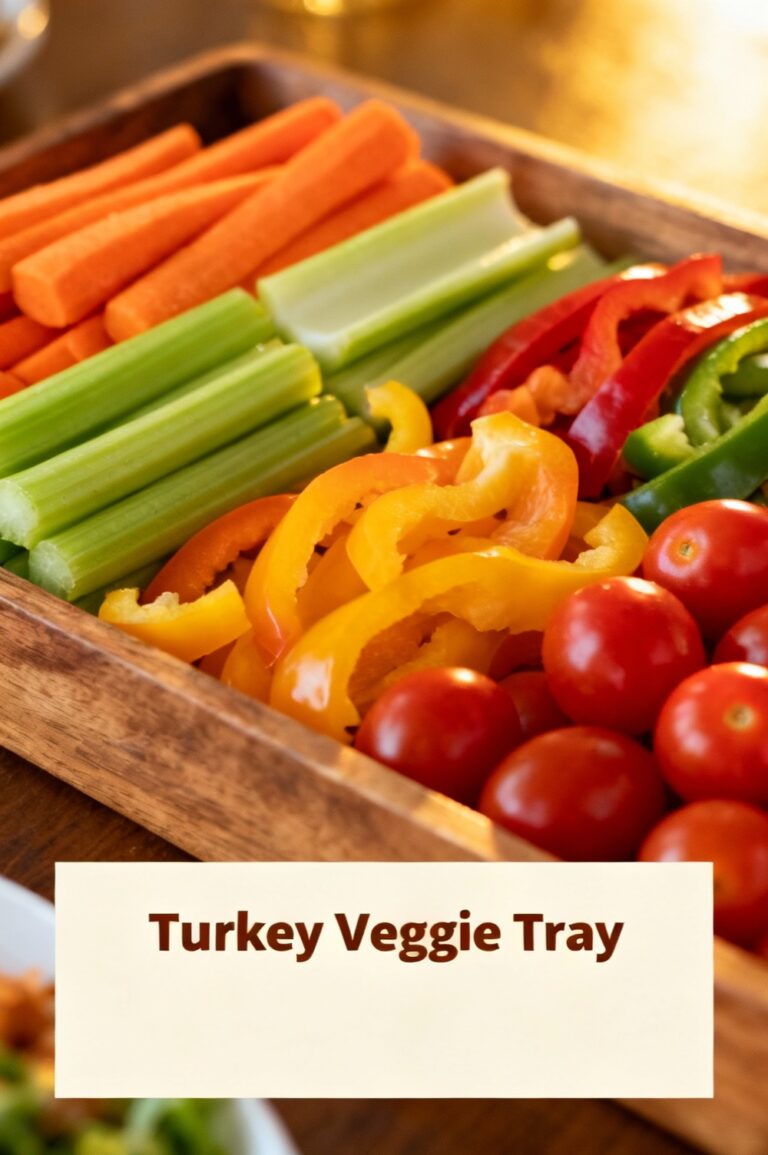
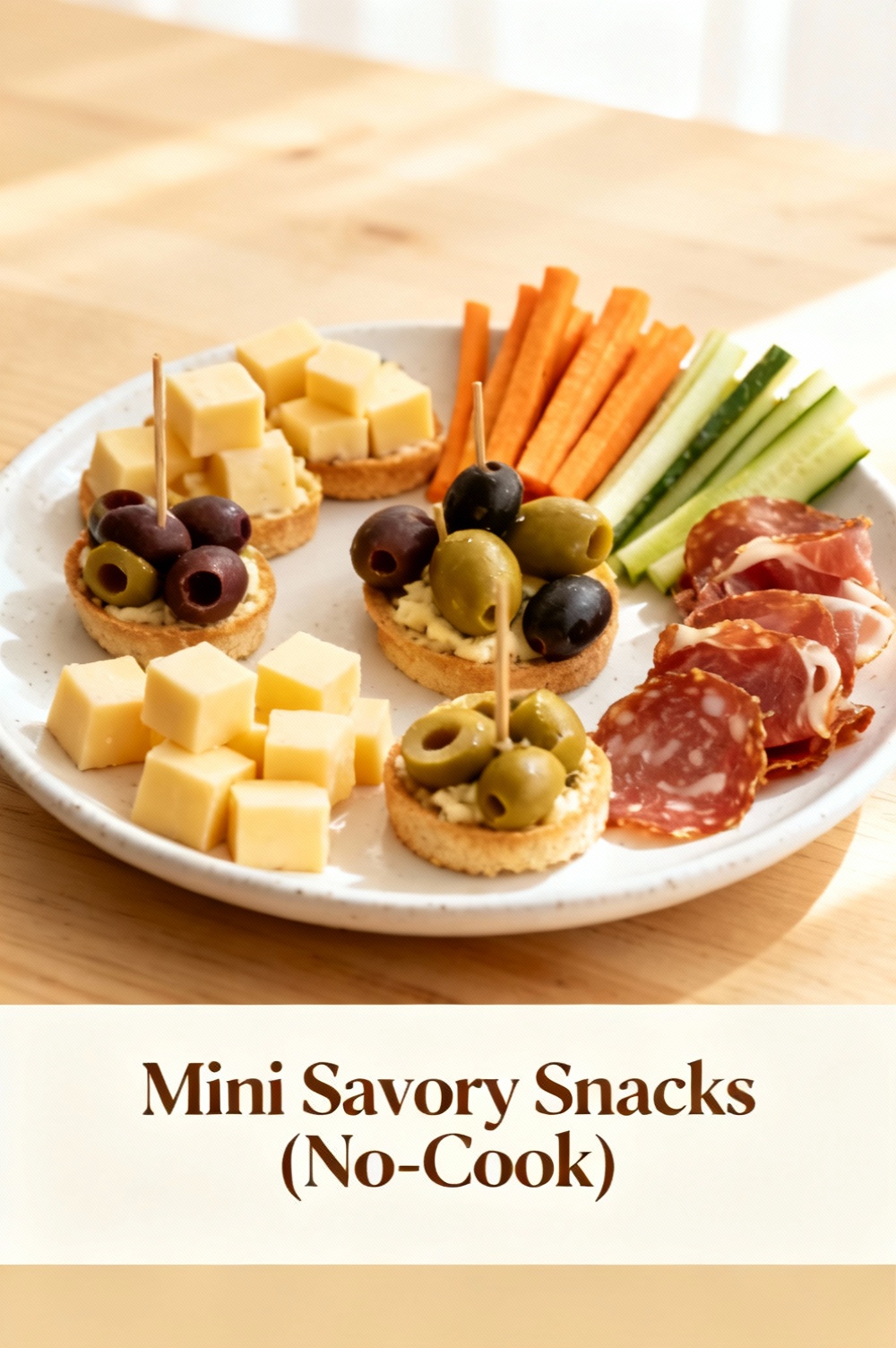
Mini Savory Snacks (No-Cook)
Did you know no-cook mini savory snacks can cut prep time by roughly 50% compared with oven-baked hors d'oeuvres—while often producing less food waste and higher guest satisfaction at casual gatherings?
Ingredients List
Base options (choose 2–3 bases for variety): mini crackers (whole-grain or seed), cucumber rounds, mini pitas, endive leaves, rice paper cups, mini toasts (store-bought) — each base offers a different crunch or freshness; seed crackers add nuttiness, cucumber adds coolness, endive gives a natural scoop.
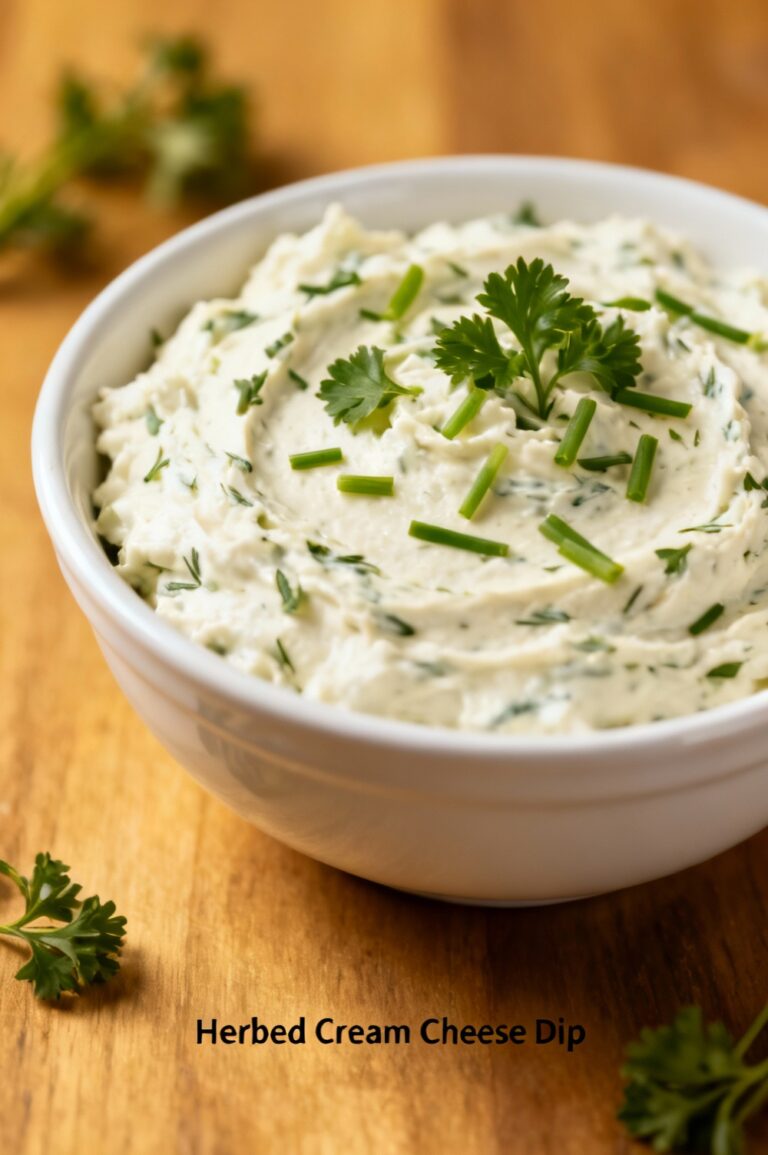
Spreads and dips (mix-and-match): hummus (classic or roasted red pepper), herbed cream cheese or labneh, olive tapenade, basil pesto, avocado-chickpea mash — cream cheese yields creaminess, tapenade brings umami, pesto gives aromatic lift.
Protein toppers: smoked salmon, thinly sliced prosciutto or turkey, canned tuna mixed with a touch of yogurt, marinated chickpeas, sliced hard cheese (cheddar, manchego) — smoked salmon pairs with lemon, chickpeas keep bites vegetarian-friendly.
Fresh elements & garnishes: cherry tomato halves, microgreens, dill, chives, thinly sliced radish, capers, lemon zest, toasted sesame seeds — these add color, acid and crunch.
Optional flavor boosters: grainy mustard, hot honey, balsamic reduction (drizzle lightly), everything bagel seasoning, za’atar, smoked paprika — a little goes a long way.
Substitutions: vegan swaps — use cashew-based ricotta or dairy-free yogurt for spreads; gluten-free bases — rice cakes or gluten-free crackers; low-sodium — choose low-salt canned tuna, rinse chickpeas before use. Sensory note: choose at least one creamy spread, one crunchy base, and one bright herb/acid to balance every bite.
Timing
Prep time: 15–25 minutes depending on how many varieties you build; average 20 minutes, which is about 60% faster than many hot-appetizer recipes that require baking or frying.
Assembly time per platter: 5–10 minutes extra for plating and garnishing.
Total time: 20–35 minutes from fridge to table. If you prep spreads ahead, active assembly falls under 10 minutes—ideal for last-minute hosting or quick weekday snacks.
Context: for a party of 12 expecting 4–5 bites per person, plan 45–60 minutes total including component prep if scaling up; no-cook options are easier to parallelize than oven-based hors d’oeuvres.
Step 1: Choose 3 complementary flavor profiles
Pick one bright-herb-acid profile (tomato, basil, lemon), one umami-salty (tapenade, smoked salmon, capers), and one creamy-rich (herbed cream cheese, hummus, avocado mash). This triad ensures guests encounter contrast with each bite and reduces the risk of a one-note platter. Tip: write your three profiles on a sticky note while shopping to streamline ingredient selection.
Step 2: Prepare spreads with texture in mind
Make spreads slightly thicker than you plan to serve so they hold on the base. For hummus, pulse chickpeas with tahini, lemon, and a tablespoon of olive oil. For avocado-chickpea mash, mash half an avocado with 1/4 cup rinsed chickpeas and a squeeze of lime—leave some chickpea texture. Tip: add 1–2 teaspoons of Greek yogurt or labneh to increase tang and spreadability without making it runny.
Step 3: Build the structural base
Lay out bases on parchment or a serving board. If using cucumber rounds, pat dry to prevent sogginess. For mini pitas, split and slightly press so they make a shallow cup for toppings. Tip: use a melon baller to hollow cucumber centers for better spread adherence.
Step 4: Layer strategically for stability and flavor
First spread (~1 teaspoon) to anchor, then protein or vegetable, then garnish. Example: 1 tsp herbed cream cheese on cracker, a sliver of smoked salmon folded, caper, and a sprig of dill. For cucumber rounds, start with a thicker spread to prevent sliding. Tip: slightly offset stacked elements (place garnish to one side) so the profile is visible to guests and easier to pick up.
Step 5: Add fresh acid and finishing textures
Finish each bite with a micro sprinkle—zest, flaky sea salt, or toasted seed mix. Acid brightens flavors (a squeeze of lemon, a drop of balsamic glaze). Tip: use a microplane for quick zesting over a platter to create aroma without wetting spreads.
Step 6: Plating and portability
Cluster similar-flavor bites into small groups to help guests choose, and provide small labels if you have dietary variants (vegan, gluten-free). For events on the go, assemble on sturdy trays with napkins underneath each cluster to keep them in place. Tip: for outdoor parties, create weight anchors like small bowls of olives to prevent wind from shifting lightweight crackers.
Nutritional Information
Estimated per mini bite (average sized): 45–80 kcal, 2–5 g protein, 3–7 g fat, 1–4 g carbs, 0.5–2 g fiber—values vary widely by choice of base and toppings. Example estimates: herbed cream cheese + smoked salmon on cracker ~70 kcal, 4 g protein, 5 g fat; cucumber + avocado chickpea mash ~55 kcal, 2 g protein, 4 g fat. Data insight: choosing vegetable bases (endive, cucumber) lowers calories by up to 60% compared with crackers while increasing water and some fiber content. Sodium considerations: cured meats and smoked fish can be higher in sodium—use low-sodium options where needed and offer citrus or herbs to reduce perceived need for salt.
Healthier Alternatives for the Recipe
Swap full-fat cream cheese for labneh or whipped Greek yogurt to reduce saturated fat while preserving creaminess and tang. Use whole-grain or seed crackers to add fiber and micronutrients instead of refined white crackers. Replace cured meats with marinated white beans or smoked tempeh slices to lower sodium and processed meat intake. For low-carb or keto-friendly versions, use celery sticks, cucumber cups, or endive leaves instead of crackers. For vegan swaps: use blended cashew ricotta, olive tapenade for umami, and roasted red pepper hummus for color and flavor.
Serving Suggestions
Create a staggered appetizer board: place three small bowls with dollops of spreads as anchors, surround them with a ring of bases and alternate toppings in color blocks (greens, reds, neutrals). Pairings: crisp white wine or light lager matches citrusy and herb-forward bites; sparkling water with lemon is refreshing for outdoor events; offer a small bowl of pickles or olives for palate-cleansing acidity. Make kid-friendly mini bites by using mild cheese and turkey with fruit slices (apple or pear) to balance flavors. Tip: include toothpicks for stacked items and small spoons for wet spreads to keep service tidy.
Common Mistakes to Avoid
Overloading a base: too many layers make bites fall apart—keep structural ingredients to two or three per bite. Forgetting contrast: bland bites are usually under-seasoned—season spreads and add an acid or crunchy element. Assembling too early: watery vegetables (tomato, cucumber) will make crackers soggy; add them last-minute or serve on separate bowls. Ignoring dietary labeling: guests appreciate visible labels for allergens and diet preferences. Tip: test one bite before assembling the whole batch to confirm balance.
Storing Tips for the Recipe
Store spreads in airtight containers in the fridge for up to 4–5 days for hummus and 2–3 days for avocado-based mixes (add lemon to slow browning). Keep bases in an airtight container at room temperature to retain crunch; refrigerate cucumbers and endives and assemble within 2–3 hours of serving. Do not freeze fully assembled bites—texture and freshness degrade. For make-ahead efficiency: prepare spreads and toppings a day ahead and assemble within an hour of serving; keep garnishes and delicate herbs uncut until service.
Conclusion
No-cook mini savory snacks deliver fast, flavorful results that are easy to scale, customizable for dietary needs, and perfect for weekday snacks or last-minute entertaining—prepare spreads ahead, choose contrasting bases and garnishes, and focus on texture and acid to maximize appeal. Ready to try a 20-minute platter tonight? Mix three flavor profiles, assemble a dozen bites, and share your favorite combo in the comments so others can recreate or iterate on your success.
FAQs
Q: How long can I assemble these bites ahead of time? A: Assemble crackers or toasted bases no more than 30–60 minutes ahead if they include juicy toppings; for cucumber or endive bases, assemble within 1–2 hours. Spreads can be made 1–3 days ahead depending on ingredients.
Q: Can I make these completely vegan and still flavorful? A: Yes—use cashew ricotta or whipped tofu, robust hummus or tapenade, smoked tempeh, and nutrient-dense seeds to replace dairy and meat while keeping umami and creaminess.
Q: What’s the best way to prevent soggy crackers? A: Use a barrier such as a thin layer of cream cheese or hummus between cracker and wet topping, and add high-moisture ingredients (tomato, cucumber) at the last minute.
Q: Can these be used for buffet-style service? A: Yes—arrange on trays by flavor profile, include small tongs or toothpicks, and label dietary variants; rotate small batches onto the buffet to keep everything fresh.
Q: How do I scale this for a large party? A: Multiply spread and topping quantities and prepare spreads the day before; recruit helpers for quick assembly and set up stations (spreads, proteins, garnishes) to speed the process.