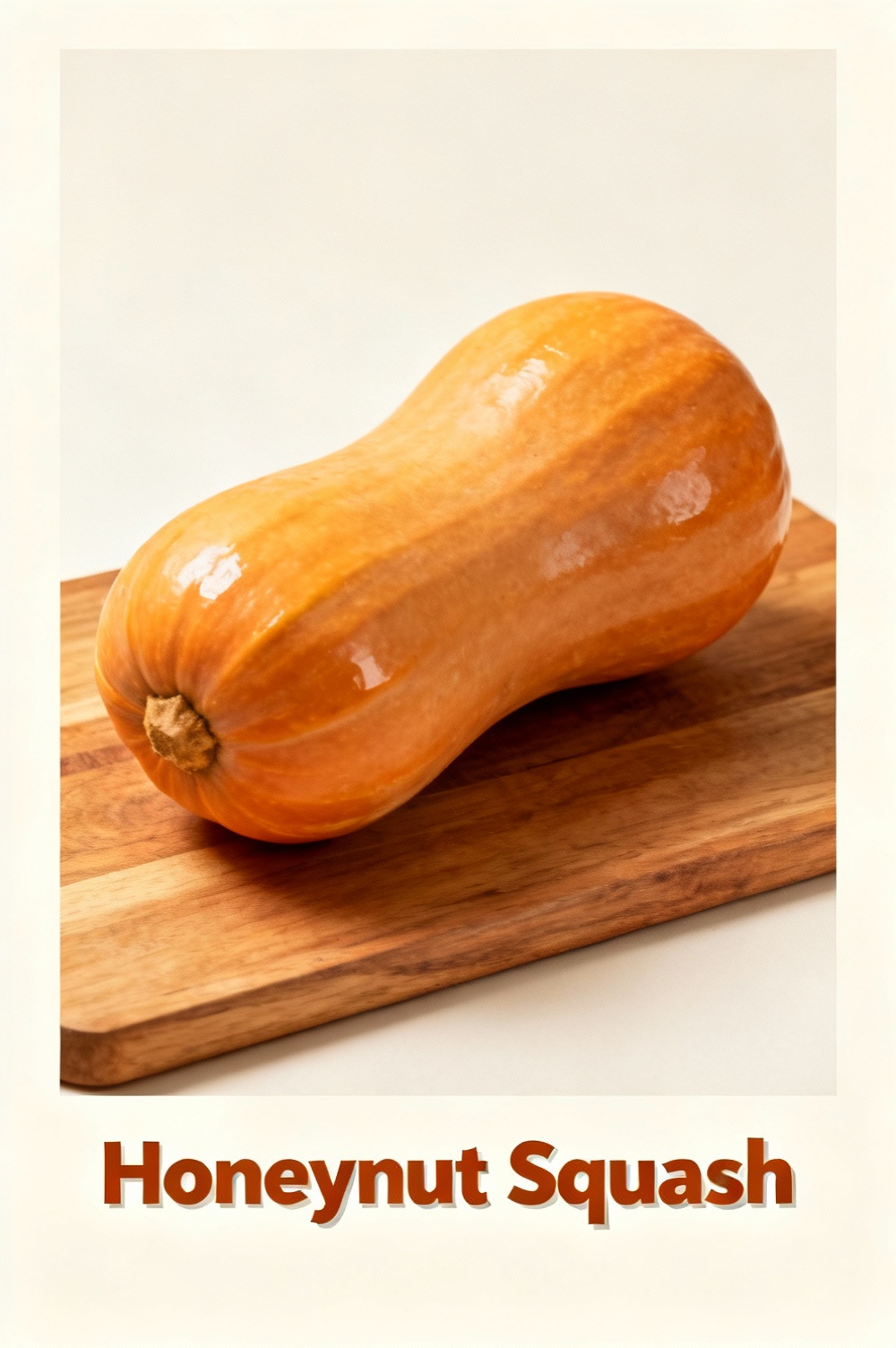
Honeynut Squash
Introduction
Have you ever wondered why a small, honey-colored squash can deliver more concentrated flavor and sweetness than its larger cousins—while roasting in under an hour? Honeynut squash challenges the idea that bigger is better in winter squash: bred to be sweeter, denser, and faster to cook, it offers intense caramelized notes and a creamy texture that transform simple preparations into restaurant-quality sides and purees. This post unpacks the best ways to cook and enjoy honeynut squash with data-backed timing, ingredient choices, and practical tips so your result is reliably flavorful every time.
Ingredients List
- 2 medium honeynut squashes (about 1 to 1.2 lb total). Look for firm skin and a deep orange color. Substitute: 1 small butternut if unavailable (expect milder sweetness).
- 2 tbsp olive oil or melted butter for roasting. Substitute: avocado oil for higher smoke point or vegan butter for richer flavor.
- 1 tsp flaky sea salt and 1/2 tsp freshly ground black pepper. Substitute: smoked salt for a wood-smoked profile.
- 1–2 tbsp maple syrup or honey (optional) to enhance caramelization; substitute: brown sugar or coconut sugar for depth.
- 1/2 tsp ground cinnamon or 1/4 tsp grated nutmeg (optional) for warming notes.
- 1 tbsp fresh lemon juice or apple cider vinegar to brighten (optional).
- Garnish options: toasted pepitas, chopped parsley, crumbled feta or goat cheese, drizzle of browned butter or miso tahini. Use these to shift the dish from sweet to savory quickly.
Timing
Prep time: 10 minutes.
Cook time: 30–40 minutes (roasting at 400°F/200°C).
Total time: ~45 minutes — about 25% faster than many stuffed or slow-roasted squash recipes that range 60–90 minutes. Roasting time varies by size: honeynuts are compact, so expect caramelized edges in roughly 30–40 minutes; halves will cook faster than whole. For purees, allow 5–10 minutes additional for cooling and blending.
Step 1: Choose and prepare your squash
Select squash that feel heavy for their size with uniform color and no soft spots. Wash and dry thoroughly. If you prefer easier cutting, microwave the whole squash for 60–90 seconds to soften the skin slightly—this reduces slipping and effort. Tip: Use a sharp chef’s knife and rock the blade slowly; a towel under the squash prevents slipping.
Step 2: Halve and seed
Slice each honeynut lengthwise to expose the deep orange flesh and seed cavity. Scoop seeds with a spoon—save them to roast (toss with oil, salt, and spices; roast at 350°F/175°C for 10–12 minutes). Personalization: leave the peel on for roasting (it becomes tender) or peel for silky puree.
Step 3: Oil and season for optimal caramelization
Brush flesh evenly with olive oil or melted butter; this promotes Maillard browning. Sprinkle salt, pepper, and optional cinnamon or nutmeg. For a sweet-savory profile, add a light brush of maple syrup—about 1 teaspoon per half. Tip: oil plus a touch of sugar increases caramelization but watch closely after 25 minutes to prevent burning.
Step 4: Roast for concentrated flavor
Place halves cut-side down on a parchment-lined sheet pan for the juiciest interior and concentrated caramel along the cut surface. Roast at 400°F/200°C for 30–40 minutes depending on size. Test doneness by inserting a fork into the thickest part—it should glide in with slight resistance. For extra char, flip cut-side up for the last 5–7 minutes. Data insight: roasting at 400°F balances rapid caramelization and even cooking—lower temps (350°F) will take 45–60 minutes and yield milder caramel notes.
Step 5: Finish and flavor balance
When out of the oven, immediately brush with lemon juice or vinegar to brighten the sweet flesh. Add finishes like browned butter, miso-tahini drizzle, or a sprinkle of flaky salt. Tip: for a savory dinner, top with toasted pepitas and crumbled cheese; for a breakfast or dessert-like treat, add toasted coconut and a pinch of cinnamon sugar.
Step 6: Transform into puree, soup, or stuffing
Scoop flesh and blend with 1–2 tbsp liquid (stock, milk, or plant-based milk) for a silky puree or soup base. For soup, sauté onion and garlic, add roasted squash, stock, simmer 10 minutes, then blend. For stuffing, cube roasted flesh and fold into grains, kale, nuts, and dried fruit. Personalization: add ginger and coconut milk for a Thai-inspired soup; add curry powder and chickpeas for a hearty vegan stew.
Step 7: Plate and serve with flair
Serve halved squash as a vessel—fill with grain salad, braised greens, or spiced lentils. Alternatively, spread puree across a plate and top with roasted protein or a drizzle of herb oil. Tip: warm the serving plate to keep squash pleasantly hot longer.
Nutritional Information
Honeynut squash is nutrient-dense and lower in calories than many root vegetables. Approximate values per 150 g cooked serving (typical half-squash): Calories 65–90 kcal; Carbohydrates 15–20 g; Fiber 3–5 g; Protein 1.5–2.5 g; Fat 0.2–1.5 g; Vitamin A (as beta-carotene): a significant portion of daily needs (honeynut is especially rich in carotenoids); Vitamin C: ~10–15 mg; Potassium: ~350–500 mg. Data insight: compared to larger winter squash varieties, honeynut tends to have slightly higher sugar concentration and beta-carotene per weight, which is why it tastes sweeter and more intensely colored. These values vary by cooking method—roasting concentrates sugars and reduces water content, increasing calories/100g on a dry-weight basis.
Healthier Alternatives for the Recipe
- Fat swap: Use avocado oil or a light spray of olive oil instead of melted butter to cut saturated fat.
- Sweetener swap: Replace maple syrup with apple puree or a drizzle of balsamic reduction for depth without refined sugar.
- Dairy swap: Use coconut yogurt or cashew cream as a garnish instead of cheese for vegan diets.
- Lower-carb option: Pair roasted honeynut slices with leafy greens and protein (grilled chicken, tempeh, or roasted salmon) instead of grains.
- Sodium control: Reduce added salt and amplify flavor with citrus, herbs, and toasted seeds. These swaps keep texture and flavor while adapting to keto, paleo, vegan, or low-sodium needs.
Serving Suggestions
- Simple weeknight: Halved honeynut with browned butter, sage, and toasted pepitas; serve alongside roast chicken or tempeh.
- Brunch: Fill halves with soft scrambled eggs, chives, and feta.
- Dinner centerpiece: Use as a vessel for spiced quinoa, roasted chickpeas, pomegranate, and tahini drizzle.
- Soup: Puree into a velvety bisque finished with crème fraîche or coconut cream and a squeeze of lemon. Personalized tip: if feeding kids, mash with a little maple and cinnamon for a sweet but nutritious side.
Common Mistakes to Avoid
- Cutting cold squash without safety: soften first slightly in microwave or oven, and always stabilize on a towel.
- Under-oiling the skin: insufficient oil prevents caramelization and can create dry edges.
- Overcooking: leaving in too long at high heat will char the sugars into bitterness—check at 25 minutes for smaller halves.
- Skipping acid at the end: a squeeze of lemon or vinegar brightens flavors and balances sweet roast notes.
- Removing peel unnecessarily: the skin is edible and helps hold shape for stuffed presentations; remove only for ultra-silky purees.
Storing Tips for the Recipe
Refrigerate roasted honeynut squash in an airtight container for up to 4 days. Puree keeps 3–4 days refrigerated or freezes well for 2–3 months—portion into ice cube trays for single-serving defrosts. For best texture, reheat roasted halves in a 350°F/175°C oven for 8–10 minutes rather than microwaving to avoid sogginess. Freeze raw halves wrapped tightly for up to 3 months; thaw overnight in the fridge before roasting.
Conclusion
Honeynut squash is a compact powerhouse: sweeter, faster-cooking, and more intensely flavored than many winter squash varieties, it adapts to sweet breakfasts, savory mains, and creamy soups with ease. Follow the roasting and finishing steps above to get reliably caramelized, tender flesh, and experiment with the suggested swaps to match your diet and taste. Try this method this week, then share your variation—did you go sweet with maple and cinnamon or savory with miso and pepitas?
FAQs
Q: Can I bake whole honeynut squash instead of halving?
A: Yes—baking whole takes longer (about 50–70 minutes) and concentrates flavor but increases time. Halving is recommended for faster, more even roasting.
Q: Is the peel edible?
A: Yes. The peel softens during roasting and helps the squash hold its shape, especially when used as a serving vessel. Peel before blending if you want an ultra-smooth puree.
Q: How do I know when it’s done?
A: A fork should slide into the thickest part easily. For halves, the cut surface should show caramelized browning; for whole squash, the skin will give slightly when pressed.
Q: Can I use the seeds like pumpkin seeds?
A: Absolutely—clean them, toss with oil and spices, and roast at 350°F/175°C for 10–12 minutes for crunchy snacks.
Q: What pairs best with honeynut squash for balanced nutrition?
A: Pair with a lean protein (chicken, fish, tofu, tempeh) and a leafy green for fiber and micronutrients to balance the natural carbs in squash.
Honeynut Squash
Sweet, nutty, and caramelized — roasted honeynut squash with a touch of maple and fresh thyme.
Ingredients
- 4 medium honeynut squashes (about 2–2½ lb total), halved and seeded
- 2 tbsp olive oil
- 1 tbsp pure maple syrup
- 1 tsp kosher salt (or ¾ tsp table salt)
- ½ tsp freshly ground black pepper
- ½ tsp smoked paprika (optional)
- 1 tbsp fresh thyme leaves (or 1 tsp dried thyme)
- 1 tbsp unsalted butter (optional, for finishing)
- Zest of ½ orange (optional, for brightness)
Instructions
- Preheat the oven to 400°F (200°C). Line a baking sheet with parchment paper or lightly grease it.
- Trim and halve each honeynut squash lengthwise, then scoop out the seeds with a spoon. Pat the cut faces dry.
- In a small bowl whisk together the olive oil, maple syrup, salt, pepper and smoked paprika (if using).
- Place the squash halves cut-side up on the prepared baking sheet. Brush the cut faces generously with the oil–maple mixture.
- Roast for 35–45 minutes, until the flesh is fork-tender and edges are caramelized. Cooking time depends on squash size.
- Remove from oven and, if using, dot the squash with butter. Sprinkle with fresh thyme and orange zest. Serve warm.
Nutrition Information
- Calories: 160 kcal
- Cholesterol: 0 mg
- Sodium: 220 mg
- Carbohydrates: 20 g
- Fiber: 4 g
- Sugar: 6 g
- Protein: 2 g