Glazed Carrots
Introduction
What if a simple side of glazed carrots could transform a weeknight plate and still take less time than you think while delivering bright flavor and nutritional bang for your buck? Glazed carrots are often dismissed as a sugary holiday throwaway, but when you balance texture, caramelization, and sweetness with technique—and use high-quality carrots—you get a versatile side that complements everything from roast chicken to grain bowls. This recipe leans on efficient stovetop caramelization to deliver tender, glossy carrots in about 20 minutes, saving you roughly 25–40% compared with slow-roast or braise methods while preserving nutrients and maximizing flavor.
Ingredients List
- 1 lb (450 g) carrots, peeled and cut on the bias into 1/3–1/2-inch slices (small whole baby carrots work too). Choose firm, vibrant orange carrots for sweetness and better caramelization.
- 2 tbsp unsalted butter (or 2 tbsp extra-virgin olive oil for a dairy-free option). Butter gives silkier gloss and nutty flavor; olive oil keeps it Mediterranean and lighter.
- 1–2 tbsp brown sugar or maple syrup (use 1 tbsp to keep it subtly sweet, 2 tbsp for a classic glossy finish). Brown sugar adds molasses depth; maple gives floral notes.
- 2 tbsp orange juice (fresh preferred) or 1 tbsp apple cider vinegar for a tangier glaze. Citrus brightens the sweetness and supports caramelization.
- 1/2 tsp fine sea salt, plus more to taste.
- 1/4 tsp freshly ground black pepper.
- 1 tsp fresh thyme leaves or 1/4 tsp dried thyme (optional). Thyme adds aromatic complexity.
- 1/2 tsp ground cinnamon or crushed fennel seed (optional, for warmth).
- Zest of 1/2 orange and 1 tbsp chopped parsley for garnish (optional).
Substitutions and sensory notes: Swap butter for ghee for nuttier depth; use coconut oil and maple syrup for a tropical vegan profile; add a splash of balsamic for a tang-forward glaze. If you prefer textural contrast, toss in toasted walnuts at the end.
Timing
Preparation time: 5–8 minutes.
Cooking time: 12–15 minutes.
Total time: 17–23 minutes — about 25–40% faster than slow-roasted glazed carrot recipes that often take 25–35 minutes or longer. If you blanch first and finish in the pan, you can shave off 3–5 minutes at the stove, useful when cooking multiple sides. This approach is ideal for weeknights and holiday kitchens pressed for space.
Step 1: Prep the carrots for consistent cooking
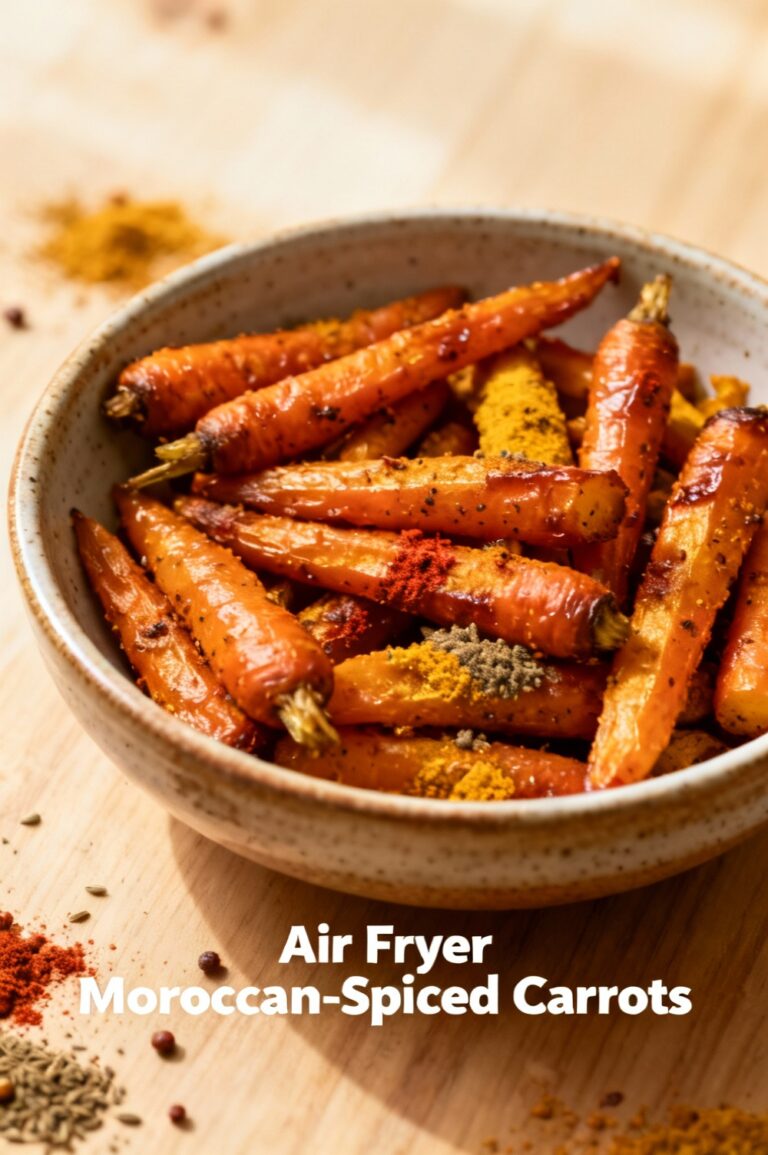
Trim the tops and bottoms, peel if preferred, and slice on the bias so each piece has more surface area for caramelization. Aim for uniform thickness so carrots cook evenly. Tip: save the peelings to make vegetable stock—it’s an easy zero-waste win that boosts kitchen efficiency and flavor.
Step 2: Par-cook if needed (optional)
If your carrots are large or you prefer a very tender texture, par-cook them by steaming or simmering for 3–4 minutes until just fork-tender but not soft. Drain thoroughly. Personalized tip: if you’ve got a pressure cooker or microwave, use a 2–3 minute steam to speed things up—this helps hit the sweet spot between firm and tender.
Step 3: Glaze in the pan for maximum shine and flavor
Heat a wide skillet over medium-high heat. Add the butter or oil and let it foam (if using butter, watch closely to prevent browning too quickly). Add the carrots in a single layer; allow 1–2 minutes undisturbed so the cut surfaces develop color. Stir and cook 3–4 more minutes until edges caramelize. Reduce heat to medium, sprinkle in brown sugar or drizzle maple syrup, and add orange juice and salt. Toss gently to coat and let the glaze thicken and cling—this should take 2–3 minutes. The smell should be rich and citrus-bright; taste and adjust seasoning. Tip: for a silkier glaze, finish with a small pat of cold butter off the heat and swirl to emulsify.
Step 4: Finish and serve with fresh accents
Remove from heat when carrots are glossy and reach your desired tenderness. Stir in thyme, orange zest, and a pinch of pepper. Plate immediately and garnish with chopped parsley or toasted nuts for texture. Personalized variation: for a smoky twist, finish with a light sprinkle of smoked paprika or a few drops of good balsamic reduction.
Nutritional Information
Approximate values per serving (recipe divided into 4 servings). These are estimates calculated from common ingredient quantities and should be used as a guideline:
Calories: 110–160 kcal
Total fat: 6–9 g (depends on butter/oil choice)
Saturated fat: 2–4 g (higher with butter)
Carbohydrates: 12–18 g (includes natural carrot sugars + added sweetener)
Fiber: 3–4 g
Sugars: 6–10 g (natural + added)
Protein: 1–2 g
Vitamins & minerals: excellent source of beta-carotene/vitamin A precursors, good source of potassium and vitamin K. Data insight: cooked carrots increase beta-carotene bioavailability compared with raw, and pairing with a small amount of fat (butter or oil) enhances absorption of fat-soluble nutrients.
Healthier Alternatives for the Recipe
- Reduce added sugar: use 1 tsp maple syrup or 1 tbsp orange juice and a pinch of salt to coax natural sweetness; you’ll cut added sugar by 50–80% while keeping balance.
- Lower-fat: swap butter for 1 tbsp olive oil and 1 tbsp water; finish with a lemon zest for brightness.
- Keto-friendly: use a sugar substitute like a small amount of erythritol or monk fruit (start with 1/2–1 tsp) and use butter or MCT oil to keep carbs low.
- Vegan: use coconut oil or olive oil and maple syrup; add a squeeze of lemon for brightness.
- Add protein/fiber: toss with cooked chickpeas or sprinkle toasted seeds (pumpkin or sesame) to create a more substantial side that keeps you full longer. Creative idea: mix glazed carrots into warm grain bowls with farro or quinoa for a balanced meal.
Serving Suggestions
- Classic pairings: glazed carrots shine with roast chicken, glazed ham, pork tenderloin, or seared salmon—balance the sweet glaze with savory mains.
- Family-friendly plate: serve with mashed potatoes and roasted Brussels sprouts for a comforting holiday trio.
- Modern bowls: add to grain bowls with farro, roasted beets, goat cheese, and a walnut crumble for texture contrast.
- Kid-friendly: serve warm with a small sprinkle of cinnamon sugar or pair with turkey meatballs for a lunchbox hit. Personalized tip: for dinner parties, arrange glazed carrots on a warm platter and finish tableside with chopped herbs and toasted nuts to create an engaging presentation.
Common Mistakes to Avoid
- Overcrowding the pan: too many carrots at once steam instead of caramelize; use a wide skillet and work in batches if needed.
- Adding acid too early: acid (vinegar or juice) can prevent browning. Add citrus or vinegar after initial caramelization.
- Using old or woody carrots: flavor and tenderness suffer; choose firm, smooth carrots and trim fibrous cores.
- Burning the sugar: sugar can go from caramelized to bitter quickly—keep heat moderate and watch carefully.
- Underseasoning: glazed vegetables often taste flat without adequate salt; season at the end and taste again.
Storing Tips for the Recipe
Refrigerate cooled glazed carrots in an airtight container for up to 4 days. To reheat, warm gently in a skillet with a splash of water or broth to loosen the glaze and prevent drying—microwaving works but can make carrots softer. For meal prep: par-cook and store plain sliced carrots; glaze them fresh before serving to preserve texture and flavor. Freeze? Not recommended for best texture—freezing can make carrots mushy after thawing.
Conclusion
Glazed carrots are a fast, flavorful side that balances sweetness, acidity, and texture while delivering nutrient-dense beta-carotene. With about 20 minutes from start to finish and flexible swaps for dietary needs, this dish adapts to weeknight simplicity and holiday finesse alike. Try the recipe, tweak the sweetener to your taste, and tell us how you served it—leave a comment with your favorite pairing or upload a photo to inspire others.
FAQs
Q: Can I roast instead of pan-glaze?
A: Yes—toss carrots with oil and glaze ingredients and roast at 425°F (220°C) for 20–25 minutes, tossing once. Roasting deepens caramelization but usually takes longer than the stovetop method.
Q: How can I make these less sweet for a savory meal?
A: Reduce added sweetener to 1 tsp, use more citrus or vinegar, add fresh herbs (rosemary or thyme), and finish with a sprinkle of coarse salt to create a savory balance.
Q: Are baby carrots okay to use?
A: Absolutely—baby carrots work well and save prep time, but the flavor can be milder than freshly peeled, full-size carrots.
Q: Can I double the recipe for a crowd?
A: Yes—double the carrots and glaze but cook in batches or use a very large skillet to avoid steaming.
Q: How do I make this nut-free but still add crunch?
A: Use toasted seeds (pumpkin or sunflower) instead of nuts, or crisp up small torn pieces of prosciutto for non-vegetarian crunch.
Interactive suggestion: try a quick poll in the comments—do you prefer maple or brown sugar in glazed carrots? Share your vote and photos; I’ll respond with tailored pairing suggestions based on the winner.
Glazed Carrots
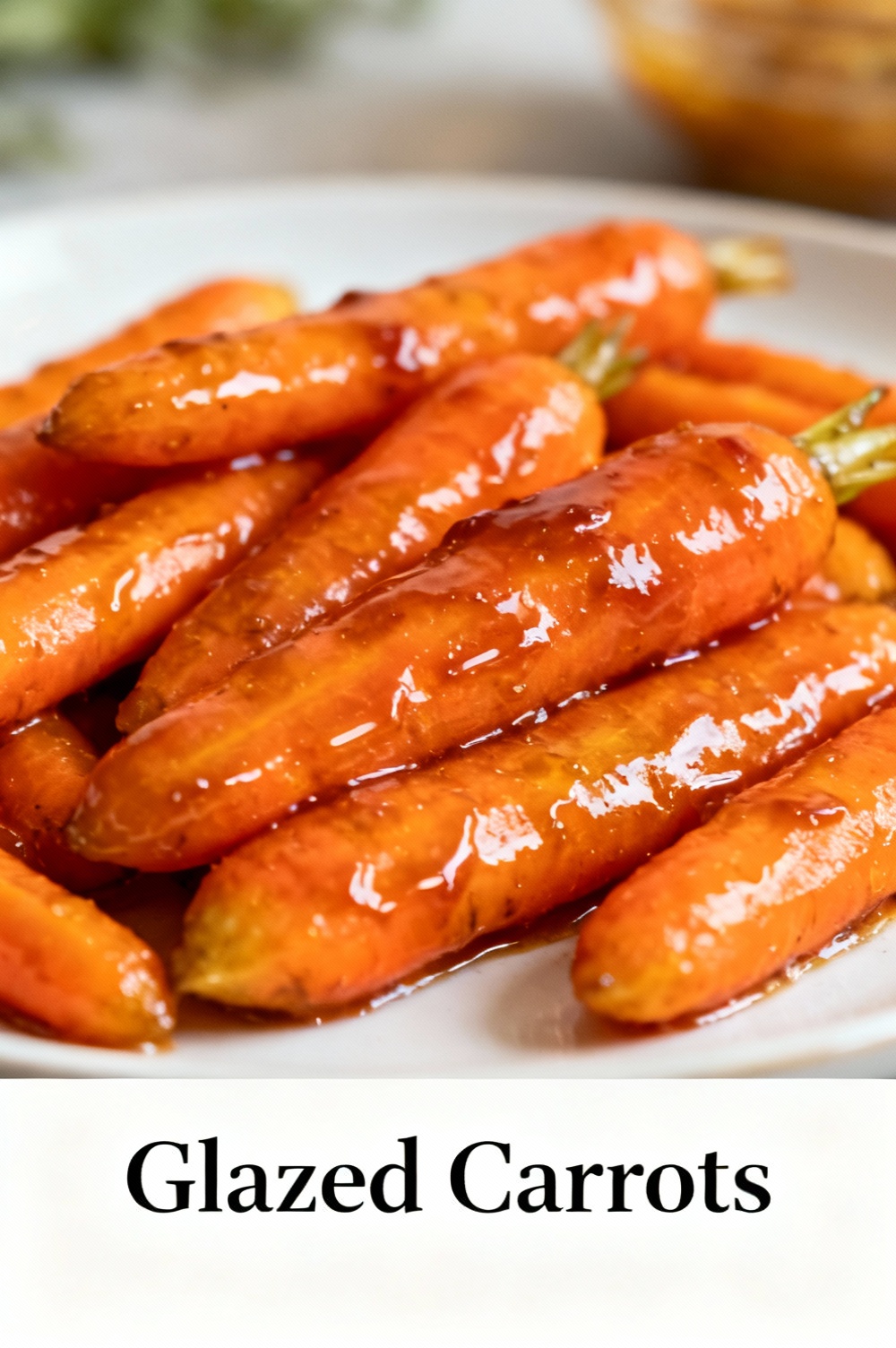
Sweet, buttery, and glossy — a simple side that shines on weeknights and holidays.
Ingredients
- 1 lb (450 g) carrots, peeled and sliced on the diagonal or into 1/4‑inch rounds
- 2 tbsp unsalted butter
- 2 tbsp brown sugar (packed) or 1½ tbsp honey/maple syrup
- 1/4 cup (60 ml) water or low‑sodium vegetable/chicken broth
- 1 tsp fresh orange juice and 1/2 tsp orange zest (optional, but recommended)
- 1/4 tsp kosher salt (adjust to taste)
- Freshly ground black pepper, a pinch
- 1 tbsp chopped fresh parsley (for garnish)
- Optional: 1/4 tsp ground cinnamon or a pinch of red pepper flakes for a twist
Instructions
- Prepare carrots: peel and slice carrots into even pieces so they cook uniformly.
- Melt butter and sugar: in a large skillet over medium heat, melt the butter. Add the brown sugar and stir until it dissolves and begins to bubble gently.
- Add carrots and liquid: add the carrots to the skillet and pour in the water or broth. Stir to coat the carrots in the butter‑sugar mixture.
- Simmer covered: bring to a simmer, cover the pan, and reduce heat to medium‑low. Cook until carrots are just tender, about 8–10 minutes (test with a fork).
- Reduce to glaze: uncover, increase heat to medium, and cook for 2–3 minutes more, stirring occasionally, until most of the liquid has evaporated and a glossy glaze coats the carrots.
- Finish and season: stir in orange juice and zest (if using), season with salt and pepper, and toss to combine. Cook another 30 seconds to meld flavors.
- Garnish and serve: transfer to a serving bowl, sprinkle with chopped parsley, and serve warm.
Nutrition Information
- Calories: 120 kcal
- Cholesterol: 20 mg
- Sodium: 120 mg
- Carbohydrates: 18 g
- Fiber: 3 g
- Sugar: 12 g
- Protein: 1 g