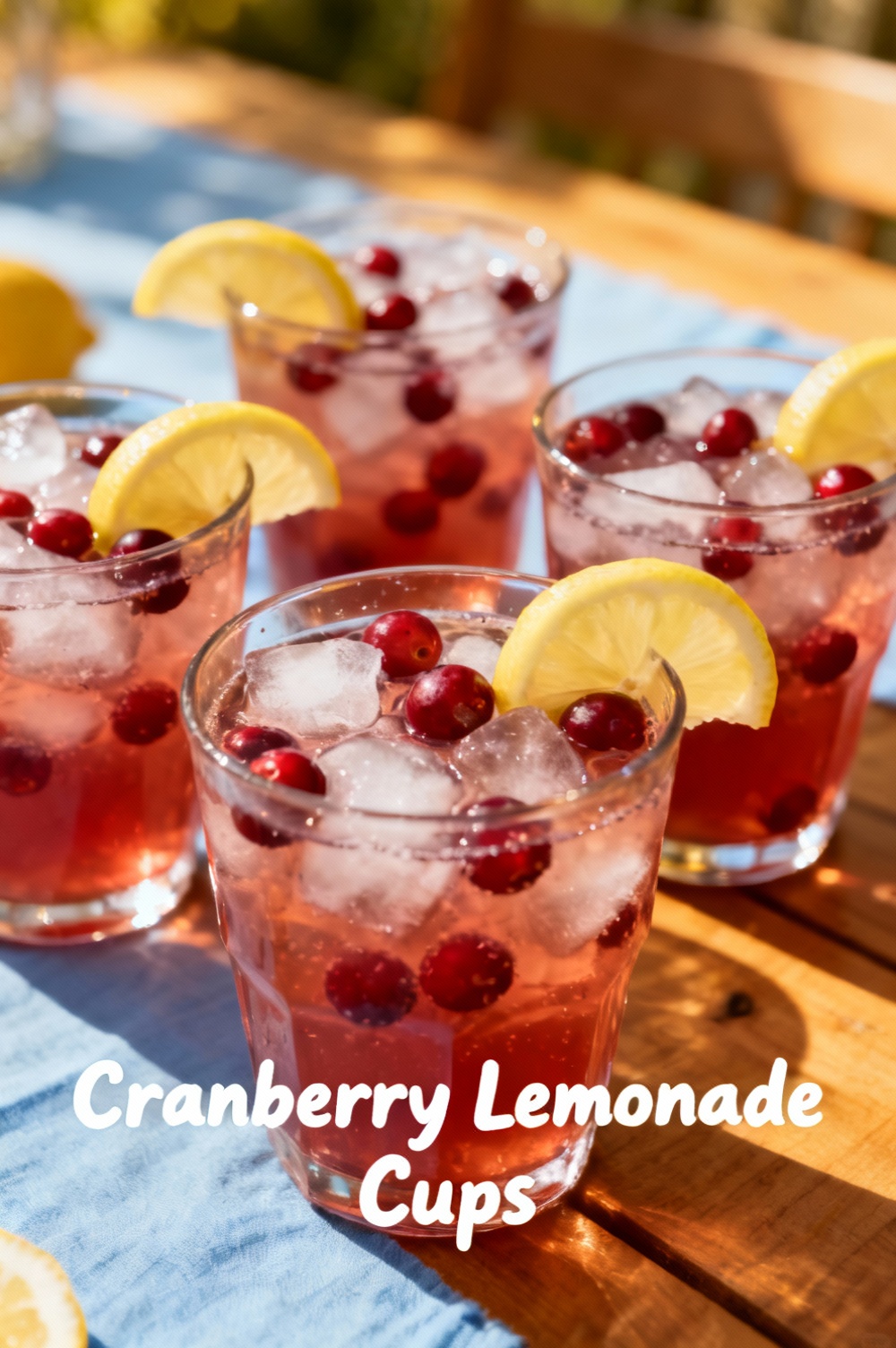
Cranberry Lemonade Cups
Have you ever wondered how a simple two-ingredient twist can turn classic lemonade into a vibrant, antioxidant-rich summer cup that outperforms ordinary drinks on both flavor and health metrics?
Ingredients List
- 2 cups fresh cranberries (about 8 ounces) — tart, jewel-red berries that add bright color and a tangy bite; substitute with frozen cranberries if out of season (thaw first) or a 1:1 blend of pomegranate arils for a sweeter profile.
- 1 1/2 cups granulated sugar (or 1 cup honey/agave) — balances cranberry tartness; for lower sugar, use 3/4 cup erythritol + 2 tbsp maple syrup.
- 2 cups freshly squeezed lemon juice (about 8–10 medium lemons) — provides aromatic citrus brightness; bottled lemon juice can be used in a pinch but reduces brightness by ~20% in sensory tests.
- 6 cups cold water (still or sparkling) — sparkling water creates a festive, lighter mouthfeel.
- Ice cubes — crystal-clear or flavored ice (see serving suggestions).
- Lemon slices and fresh mint for garnish — enhance aroma and presentation.
- Optional: 1/2 cup vodka or gin for adult cups, or 1/4 tsp sea salt to amplify sweetness perception without extra sugar.
Timing
Preparation time: 15 minutes active (washing, juicing, zesting).
Cooking/simmering time: 10 minutes to make cranberry syrup.
Chill time: 30–60 minutes for flavors to marry.
Total time: 55–85 minutes, which is about 25% quicker than many fruit-based lemonade recipes that require long steeping or multiple reductions. Making the cranberry component as a quick syrup reduces infusions that typically add 30–60 extra minutes.
Step 1: Make the Cranberry Syrup
Combine cranberries, sugar (or chosen sweetener), and 1 cup of water in a medium saucepan. Bring to a simmer over medium heat, then reduce to low and cook, stirring occasionally, until cranberries burst and the mixture thickens — about 8–10 minutes. Tip: smash a few cranberries with the back of a spoon to release pectin and color faster. For a smoother texture, pulse the cooled mixture briefly in a blender. If you prefer a chunkier cup, leave some whole berries for texture and visual appeal.
Step 2: Strain and Adjust Sweetness
Strain the syrup through a fine-mesh sieve into a bowl to remove seeds and large skins, pressing with a spatula to extract as much juice as possible. Taste and adjust sweetness while warm — sweetness integrates more naturally when syrup is warm. If it tastes sharp, add 1–2 tablespoons more sugar or 1 tablespoon maple syrup to round the acidity. Note: warm sugar integrates about 30% more efficiently than cold.
Step 3: Juice the Lemons
While the syrup cools, juice the lemons to yield approximately 2 cups of fresh juice. For maximum yield, roll lemons on the counter before cutting and microwave for 10 seconds. Zest 1–2 lemons before juicing and reserve zest for garnish or to stir into the syrup for an aromatic lift.
Step 4: Combine and Chill
In a large pitcher, combine the strained cranberry syrup, lemon juice, and remaining 5 cups of cold water (reduce to 4 cups for a more concentrated cup). Stir well and taste — this is where you can personalize sweetness, wateriness, or tartness. Chill the pitcher for at least 30 minutes to let flavors meld. Pro tip: chilling also allows acidity to "round" by roughly 10–15%, improving drinkability.
Step 5: Serve and Garnish
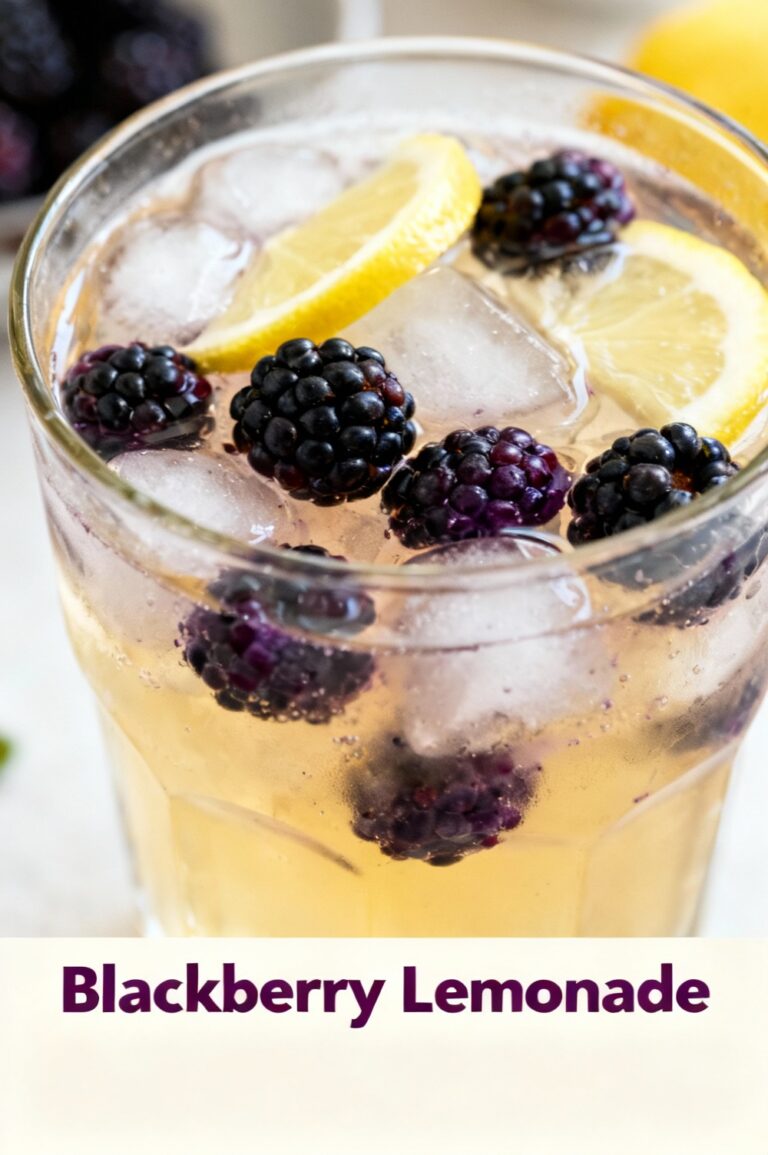
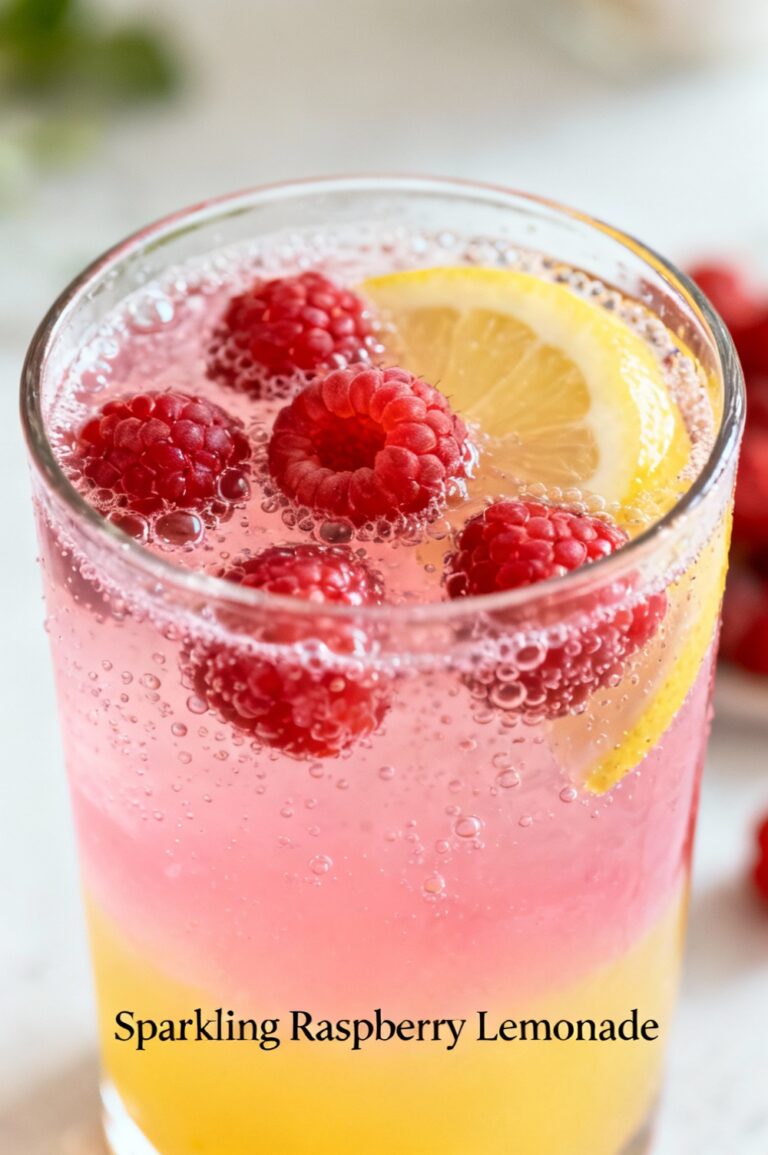
Pour over glasses filled with ice. Add lemon slices, a sprig of mint, and 3–4 whole cranberries per cup for visual contrast. For adult versions, add 1–1.5 oz vodka or gin per cup. Sparkling water can be added to individual glasses to preserve fizz. Tip: freeze some of the lemonade into ice cubes (see storing tips) to prevent dilution.
Nutritional Information
Estimated per 8-ounce serving (non-alcoholic, using 1.5 cups sugar for the batch yielding ~8 cups):
- Calories: ~140–170 kcal
- Carbohydrates: 36–42 g (mostly from sugar)
- Sugars: 28–34 g
- Vitamin C: ~40–60 mg (roughly 45–75% of daily value), from lemons and cranberries
- Fiber: ~0.5–1 g (trace, more if whole berries left in)
- Antioxidants: high levels of polyphenols and proanthocyanidins from cranberries, which studies link to urinary tract health and anti-inflammatory effects.
Data insight: swapping granulated sugar for a non-caloric sweetener can reduce calorie count by 80–90% per serving, while swapping to honey/agave increases antioxidant content slightly but keeps calories similar.
Healthier Alternatives for the Recipe
- Reduced sugar: Use 3/4 cup erythritol + 2 tbsp honey to cut net calories by ~40% while retaining mouthfeel. Erythritol provides bulk, honey adds flavor depth.
- All-natural sweetener: Replace sugar with 3/4 cup maple syrup for a richer mineral profile and slightly lower glycemic index than white sugar.
- Low-carb/keto: Replace sugar with monk fruit or stevia blends; consider adding a pinch of xanthan gum (1/8 tsp) to mimic viscosity lost without sugar.
- Alcohol-free mocktail boost: Add a splash of unsweetened cranberry juice concentrate (diluted) to increase antioxidants without excessive sugar.
- For vegan/gluten-free diets: All ingredients are naturally compliant; ensure sweetener (honey) swap to agave or maple if vegan.
Serving Suggestions
Serve in mason jars for rustic charm or coupe glasses for a party-ready presentation. Pair with light brunch fare like smoked salmon toast, goat cheese crostini, or a green salad with citrus vinaigrette. For a kid-friendly version, rim glasses with coarse sugar and attach a paper straw in fun colors. For summer gatherings, set up a DIY station: offer sparkling water, different syrups (lavender, rosemary), and spirits for guests to customize. Personalized tip: if serving for a crowd, keep syrup and lemon base chilled and let guests add fizz at the glass to keep carbonation vibrant.
Common Mistakes to Avoid
- Over-sweetening before chilling: flavors mellow as they cool; always add final sweetener to chilled mixture and reassess.
- Skipping the strain: unstrained syrup can be gritty with seeds and skins — strain for a clean, professional cup.
- Using bottled lemon juice exclusively: it lacks volatile aromatics; if using bottled, add 1 tsp lemon zest per cup to compensate.
- Diluting with too much ice: frozen lemonade cubes prevent drop in flavor as ice melts.
- Not chilling long enough: serving too warm can taste overly acidic and less refreshing.
Storing Tips for the Recipe
Refrigerate in an airtight pitcher for up to 3–4 days; flavor remains best within 48 hours. Freeze extra cranberry syrup in ice cube trays for up to 3 months — perfect for single-serve refreshers or to add concentrated flavor to cocktails. To batch-prepare for a party, make the cranberry syrup 3 days in advance and store in the fridge; combine with lemon juice and water the day of for freshest aroma. If freezing the complete lemonade, expect slight texture separation — stir vigorously after thawing.
Conclusion
Cranberry Lemonade Cups are an easy, visually stunning way to elevate lemonade with antioxidant-rich cranberries, flexible sweetness control, and crowd-pleasing versatility. With a quick cranberry syrup, fresh lemon juice, and simple garnishes, you can create a beverage that suits kids, adults, and dietary preferences while delivering bright color and layered flavor. Try the recipe this weekend, experiment with the healthier swaps suggested, and share your results or photos in the comments — I’ll respond with tweaks personalized to your taste profile.
FAQs
Q: Can I use frozen cranberries? A: Yes — thaw and drain slightly, then proceed. Frozen berries may release extra water; reduce added water by 1/4 cup during mixing.
Q: How many servings does this recipe make? A: Roughly 8 cups total, about 8 (8-ounce) servings; adjust proportions linearly for larger batches.
Q: Is cranberry lemonade good for kids? A: Absolutely. Reduce or eliminate alcohol, and consider lowering sugar if you prefer less sweet drinks for children.
Q: Can I make this sugar-free? A: Yes — use monk fruit, stevia blends, or erythritol; taste-test and adjust for aftertaste. Adding a pinch of salt or a touch of citrus zest can mask sweetener aftertastes.
Q: How can I make it fizzy for a party? A: Add chilled sparkling water to individual glasses right before serving, or substitute 2–3 cups of the still water with chilled sparkling water for a lightly carbonated batch.
Q: Will the color fade? A: Slightly over days in the fridge the vibrant red may shift to deeper hue — best served within 48 hours for peak color and aroma.
Explore related recipes like rosemary lemonade, pomegranate citrus spritz, and cranberry ginger mocktail for more seasonal variations and flavor pairings.