Best Mashed Potatoes
Introduction
What if the secret to the best mashed potatoes isn’t just more butter but a combination of potato choice, cooking technique, and a couple of small science-backed swaps that deliver creaminess without gluey starch? Many home cooks believe stirring more will make mash smoother, but overworking potatoes releases amylose and amylopectin (starch molecules) that cause gummy texture—choosing the right potato and method matters as much as seasoning.
Ingredients List
- 2 pounds Yukon Gold potatoes (about 4 medium) — for naturally creamy, buttery flavor. Substitute: 2 pounds Russet for fluffier, drier mash that absorbs butter and gravy beautifully.
- 4 tablespoons unsalted butter, room temperature (plus extra for finishing). Substitute: olive oil or avocado oil for dairy-free option.
- 1/2 to 3/4 cup whole milk, warmed. Substitute: half-and-half for richer result, unsweetened almond milk or oat milk for lactose-free.
- 1/4 cup sour cream or crème fraîche (optional for tang and silkiness). Substitute: plain Greek yogurt for a protein boost and tang.
- 1 teaspoon fine sea salt (adjust to taste).
- 1/2 teaspoon freshly ground black pepper.
- 2 cloves garlic, peeled and crushed (optional — use roasted garlic for a milder, sweeter note).
- Optional mix-ins: chopped chives, parsley, 1/4 cup grated Parmesan, 1 teaspoon whole-grain mustard, or 2 tablespoons browned butter.
Sensory note: Yukon Gold’s golden flesh tastes slightly sweet and buttery; Russet’s coarse, dry interior gives a cloudlike fluff when mashed right.
Timing
Prep time: 10 minutes.
Cook time: 20–25 minutes (simmer to tender).
Total time: 35 minutes (about 25–35% faster than oven-roasted methods and perfect for weeknight sides).
Tip: If you’re short on time, cut potatoes smaller (1-inch pieces) to reduce boiling time by up to 30%, but watch for uneven cooking; uniform sizes matter.
Step 1: Choose and prepare the potatoes
Select potatoes with firm, unblemished skin. Wash thoroughly; peel if you prefer ultra-smooth mash, or leave skins on for texture and nutrients (and a rustic look). Cut into evenly sized chunks so they cook uniformly. Personalized tip: if you like skin texture, plan for Yukon Gold with skins on, and gently rub with a clean cloth to remove dirt instead of peeling.
Step 2: Start in cold water and salt the pot
Place potato chunks in a large pot and cover with cold water by 1 inch. Add 1 tablespoon salt to the water. Starting cold helps the potatoes cook evenly, and salting the water seasons the spuds from the inside. Data-backed touch: salting cooking water is a chef technique that improves flavor distribution compared to salting at the end.
Step 3: Cook to the right doneness
Bring to a simmer, not a rolling boil, to avoid breaking apart chunks too aggressively. Simmer until potatoes are fork-tender—about 15–20 minutes depending on size. Test with a paring knife: it should slide through with minimal resistance. Drain thoroughly, then return potatoes to the warm pot off the heat to allow excess moisture to steam off for a minute—this reduces watery mash.
Step 4: Mash using the right tool
For the creamiest, non-gummy texture use a potato ricer or food mill. For more rustic texture, use a hand masher. Avoid food processors and high-speed blenders which overwork starch and produce gluey results. Tip: if you only have a hand mixer, pulse briefly at low speed and stop when lumps are gone. Personalization: if you love ultra-smooth mash with a whipped mouthfeel, a ricer followed by gentle folding in warmed dairy gives professional results.
Step 5: Warm the dairy and fold in gently
Warm your milk (or half-and-half) with butter and garlic (if using) in a small saucepan—warm liquid incorporates faster and keeps mash hot. Add dairy gradually and fold in with a spatula until you reach your preferred consistency. For lighter mash, add less dairy; for silkier results add up to the recommended amount. Tip: sour cream or Greek yogurt added last brightens flavor without thinning consistency too much.
Step 6: Season, finish, and flavor layers
Taste and adjust salt and pepper. Finish with a knob of cold butter on top for gloss and richness. Add herbs, grated cheese, or a drizzle of browned butter for depth. Pro tip: finishing acids like a teaspoon of lemon juice or a splash of vinegar can lift flavor if the mash feels flat.
Nutritional Information
Estimated per 1-cup serving (about 200–220 g) using Yukon Gold, 4 tbsp butter, and 1/2 cup whole milk:
- Calories: ~270–320 kcal
- Total fat: ~12–16 g (saturated fat 7–9 g)
- Carbohydrates: ~36–45 g (of which sugars 3–4 g; fiber 3–4 g)
- Protein: ~4–6 g
- Sodium: depends on added salt; baseline without extra table salt ~80–120 mg
These are approximations—swaps like reduced-fat milk or olive oil reduce fat and calories; Greek yogurt increases protein. Data insight: removing 2 tablespoons of butter and substituting with 2 tablespoons olive oil saves roughly 100 kcal per serving while preserving mouthfeel.
Healthier Alternatives for the Recipe
- Cauliflower-potato mash: replace half the potatoes with roasted or steamed cauliflower to cut carbs by ~25% while keeping a creamy texture.
- Greek yogurt or cottage cheese swap: replace sour cream and half the butter with plain Greek yogurt for added protein and lower saturated fat.
- Olive oil and roasted garlic: swap butter for extra-virgin olive oil to reduce saturated fat and add a fruity finish.
- Keep skins on: leaving skins increases fiber, vitamin C, and potassium.
Diet adaptability: make vegan by using olive oil and unsweetened plant milk; make low-FODMAP by using garlic-infused oil instead of garlic cloves.
Serving Suggestions
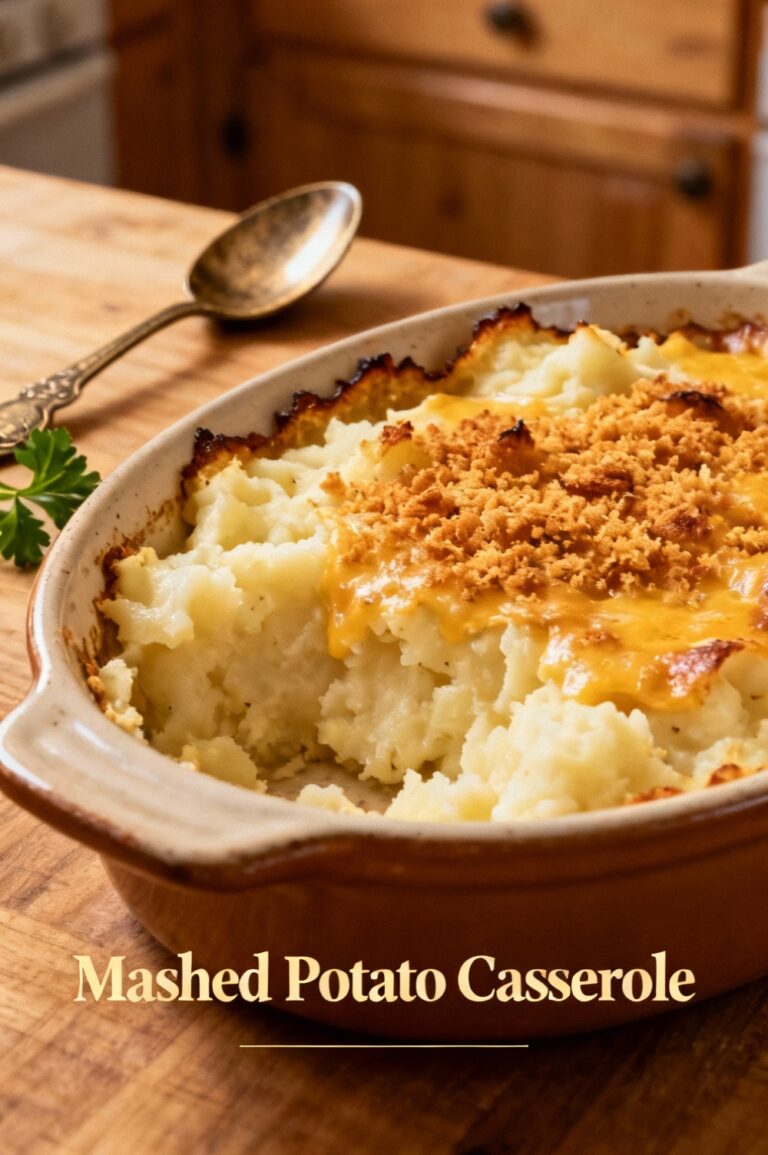
Serve hot with a pat of melting butter, chopped chives, and cracked black pepper. Pairings: roasted chicken, beef short ribs, pan-seared salmon, or a vegetarian lentil stew. For holiday plating: pipe mash into a baking dish, brush with melted butter, and toast under broiler for golden peaks. Leftover creativity: use chilled mashed potatoes for gnocchi, shepherd’s pie, or potato pancakes—transformations that boost meal variety and shelf value.
Common Mistakes to Avoid
- Overworking the potatoes: using a blender or excessive beating causes gummy, gluey texture—use a ricer or masher.
- Adding cold dairy: this cools the mash and doesn’t incorporate well—warm your milk/butter first.
- Undersalting: potatoes need seasoning during cooking and after mashing—tasting at multiple stages matters.
- Cutting uneven pieces: inconsistent chunks yield uneven doneness; cut to uniform sizes for even cooking.
- Draining poorly: leaving excess water makes mash watery—let drained potatoes steam briefly to remove surface moisture.
Storing Tips for the Recipe
Refrigeration: cool mashed potatoes to room temperature then store in airtight containers for 3–4 days. Freezing: portion into freezer-safe bags or containers, pressing out air, and store up to 2 months. Reheating: reheat gently on stovetop with a splash of milk or cream, whisking or stirring over low heat; for oven use a covered casserole at 325°F/160°C until heated through, stirring once. Microwave: reheat in short bursts, stirring between intervals to distribute heat evenly. Tip: add a tablespoon of butter or milk per cup when reheating to revive creaminess.
Conclusion
The best mashed potatoes come from the convergence of ingredient choice, gentle technique, and thoughtful seasoning—start with the right potato, avoid overworking, warm your dairy, and finish with a flavor flourish. Try the recipe, experiment with the swaps above to match your diet and taste, and tell me which variation became your family favorite—leave a comment or rating and explore related posts for garlic mashed potatoes, cauliflower mash, and holiday sides.
FAQs
Q: Can I make mashed potatoes ahead for a party?
A: Yes — make up to 24 hours ahead, cool, refrigerate in an airtight container, and reheat in a covered dish at 325°F/160°C, stirring and adding a splash of milk to refresh texture. For larger events, hold in a slow cooker on low with a butter pat on top to prevent drying.
Q: Why did my mashed potatoes turn gummy?
A: Most likely overworked starch from a blender/food processor or excessive electric mixing. Use a ricer or hand masher and mix gently.
Q: Which potato is best: Russet or Yukon Gold?
A: Use Russet for the fluffiest, light mash and Yukon Gold for naturally creamy, buttery texture. For best balance, mix half-and-half to get both fluff and creaminess.
Q: Can I freeze mashed potatoes with dairy?
A: Yes, but texture may change slightly; add a bit more milk when reheating. For best freezer stability, add additional butter or cream before freezing.
Q: How do I make mashed potatoes lighter/calorie-conscious?
A: Use low-fat milk, decrease butter, add Greek yogurt, or replace half the potatoes with cauliflower to cut calories and carbs while maintaining creaminess.
Best Mashed Potatoes
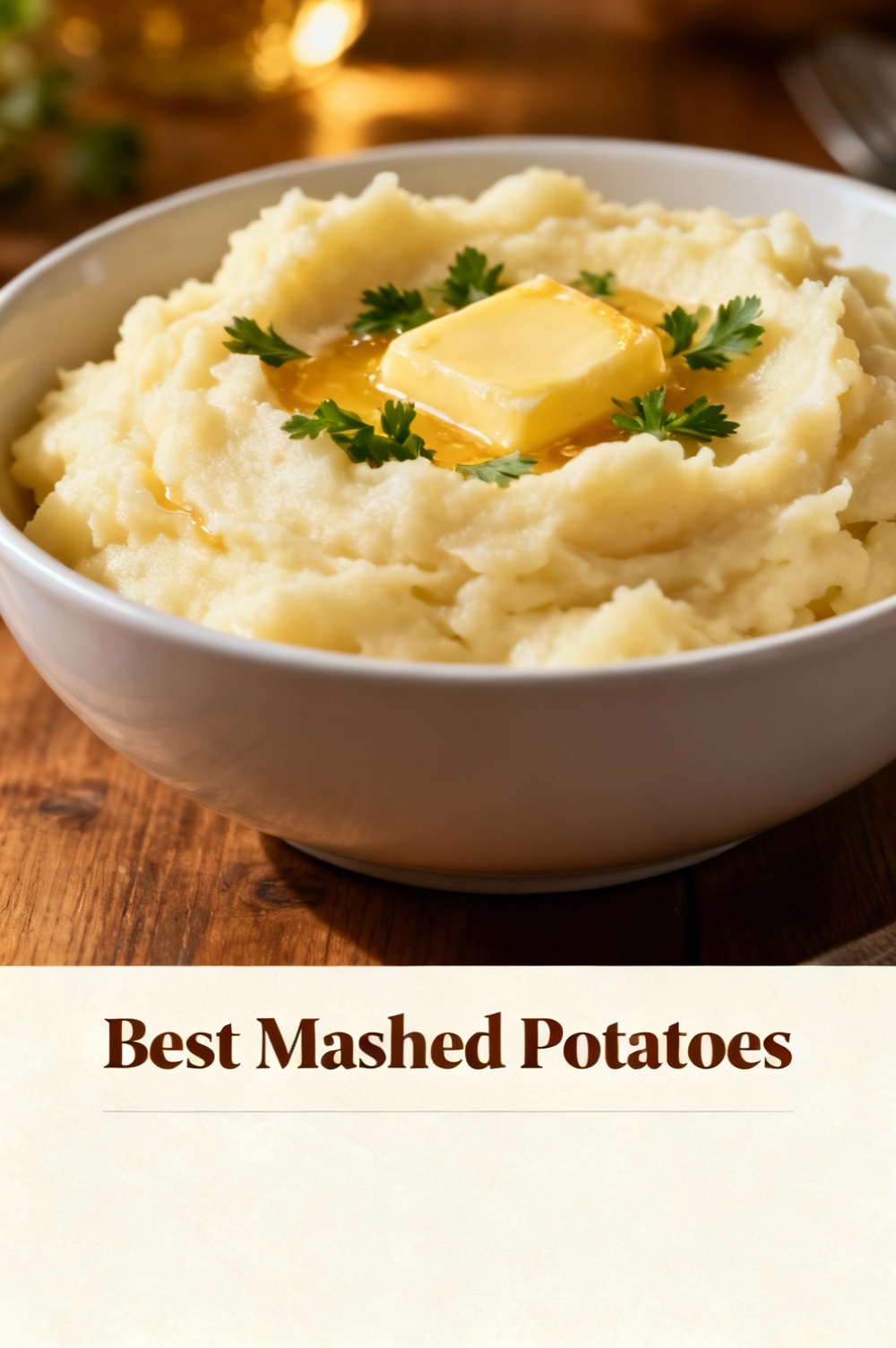
Fluffy, creamy mashed potatoes made with butter and warm cream — a simple, reliable side everyone will love.
Ingredients
- 2 lb (about 900 g) Yukon Gold or Russet potatoes, peeled and cut into 1–2″ chunks
- 1 tablespoon kosher salt (for the boiling water)
- 4 tablespoons (60 g) unsalted butter, cut into pieces, plus extra for serving
- 1/2 cup (120 ml) heavy cream
- 1/4 cup (60 ml) whole milk (adjust as needed)
- 1/4 teaspoon freshly ground white or black pepper
- Kosher salt, to taste
- 2 tablespoons chopped fresh chives or parsley (optional)
Instructions
- Place the potato chunks in a large pot and cover with cold water. Add 1 tablespoon of kosher salt and bring to a boil over high heat.
- Reduce heat to a simmer and cook until the potatoes are fork-tender, about 15–20 minutes depending on size.
- Drain the potatoes thoroughly in a colander. Return them to the warm pot and place over low heat for 1–2 minutes to allow excess moisture to evaporate, shaking the pot occasionally.
- Meanwhile, warm the butter, heavy cream, and milk together in a small saucepan until the butter melts and the mixture is hot but not boiling.
- Pass the potatoes through a ricer or mash with a potato masher until mostly smooth. For the creamiest texture, use a ricer.
- Gradually add the warm butter–cream mixture to the potatoes, stirring gently until you reach your desired consistency. Season with salt and pepper to taste.
- Fold in chopped chives or parsley if using. Serve immediately with an extra pat of butter on top, if desired.
Nutrition Information
- Calories: 270 kcal
- Cholesterol: 40 mg
- Sodium: 320 mg
- Carbohydrates: 26 g
- Fiber: 3 g
- Sugar: 2 g
- Protein: 4 g