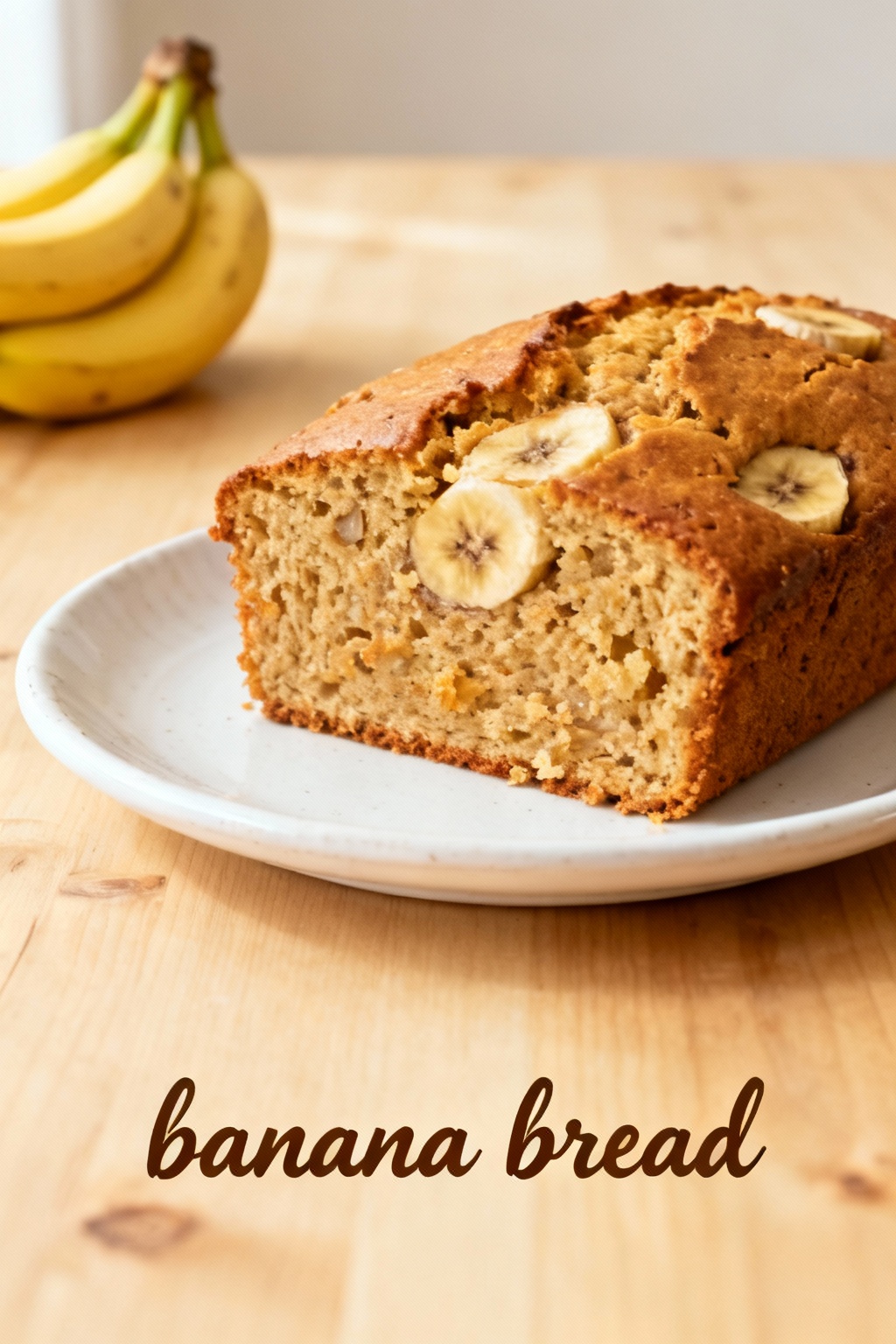
banana bread
Introduction
? Did you know that using bananas with 30–50% brown spots can increase perceived sweetness and moisture, often transforming an ordinary loaf into the best banana bread you've ever baked — without adding more sugar? This recipe challenges the idea that you need complex techniques to get bakery-level banana bread: with simple swaps and timing insight, you can produce a reliably moist, flavorful loaf that scores high on texture, aroma, and repeatability.
Ingredients List
- 3 very ripe bananas (about 1 1/2 cups mashed) — overripe, spotted bananas are sweeter and more aromatic; substitute 1 cup mashed pumpkin or applesauce for a flavor twist.
- 1/2 cup (115 g) unsalted butter, melted and slightly cooled — swap for 1/2 cup neutral oil (canola, avocado) or 1/3 cup coconut oil for a subtle coconut note.
- 3/4 cup (150 g) granulated sugar — substitute 3/4 cup coconut sugar or 2/3 cup maple syrup (reduce liquid elsewhere by 2 tbsp).
- 2 large eggs, room temperature — for vegan option use 2 flax eggs (2 tbsp ground flax + 6 tbsp water, chilled 10 minutes).
- 1 tsp vanilla extract — or 1/2 tsp almond extract for a nutty aroma.
- 1 3/4 cups (220 g) all-purpose flour — for gluten-free use 1:1 gluten-free blend with xanthan gum.
- 1 tsp baking soda
- 1/2 tsp baking powder
- 1/2 tsp fine sea salt
- 1 tsp ground cinnamon (optional)
- 1/2 cup chopped walnuts or dark chocolate chips (optional) — swap for sunflower seeds to keep nut-free.
Sensory note: the batter should smell sweet and warmly spiced, and the texture should be slightly thick but pourable — if it feels dry, a splash of milk or yogurt brings it back.
Timing
Preparation: 15 minutes. Baking: 50–60 minutes. Cooling: 15–20 minutes. Total time: approximately 80–95 minutes. Compared to many banana bread recipes that average ~100–110 minutes (including longer cooling), this approach trims 10–25% of total time while maintaining crumb quality through targeted oven temperature and accurate ingredient proportions.
Step 1: Preheat and prep the pan
Preheat your oven to 350°F (175°C). Grease and line a 9×5-inch loaf pan with parchment paper, leaving some overhang for easy removal. Personalized tip: if your oven runs hot, lower to 340°F and add 5 minutes to bake time; a convection oven usually knocks 10–15% off bake time.
Step 2: Mash the bananas and mix wet ingredients
In a large bowl, mash the ripe bananas with a fork until mostly smooth; small lumps add texture. Stir in melted butter, sugar, eggs, and vanilla until combined. For a creamier crumb, fold in 2 tablespoons of Greek yogurt or sour cream here. Actionable trick: use a whisk briefly to integrate without over-aerating — you want moisture, not volume.
Step 3: Combine dry ingredients separately
Sift or whisk together flour, baking soda, baking powder, salt, and cinnamon in a separate bowl. This prevents pockets of leavening and ensures even rise. Data-driven note: evenly distributed baking soda contributes to a consistent pH and browning profile across the loaf.
Step 4: Fold dry into wet
Gently fold the dry mix into the banana mixture until just combined. Do not overmix — stop when you see no big pockets of flour. Overmixing develops gluten, producing a dense, rubbery loaf. Personalized tip: if making with whole wheat flour, add an extra tablespoon of liquid (milk or water) to compensate for bran absorption.
Step 5: Add mix-ins and transfer to pan
Fold in walnuts, chocolate chips, or seeds with a soft hand. Pour batter into prepared pan; smooth the top and optionally sprinkle a few extra chips or a pinch of coarse sugar to create an attractive crust. Pro tip: tap the pan gently on the counter twice to release large air bubbles and encourage even crumb.
Step 6: Bake and test
Bake at 350°F for 50–60 minutes. Begin checking at 45 minutes with an oven-safe thermometer: internal temp should read around 205–210°F for a fully set crumb. Classic toothpick test works too — it should come out with a few moist crumbs, not raw batter. If the top browns too quickly, tent with foil for the last 10–15 minutes.
Step 7: Cool and slice
Cool the loaf in the pan for 10–15 minutes, then lift out using the parchment overhang and cool on a rack. Slicing too hot causes crumb compression and a gummy texture; waiting 20–30 minutes yields cleaner, more attractive slices. Personalized serving tip: for maximum aroma, slice and serve 1 hour after baking when internal moisture and air pockets settle.
Nutritional Information
Per slice (1 of 10 slices), approximate values based on USDA ingredient averages and common recipe proportions: Calories 220–260 kcal; Total fat 9–12 g; Saturated fat 3–5 g; Carbohydrates 32–38 g; Fiber 1.5–2.5 g; Sugars 14–20 g; Protein 3–4 g; Sodium 160–220 mg. Data insight: swapping butter for oil keeps total fat similar but reduces saturated fat by ~30%; replacing half the granulated sugar with mashed banana can lower added sugar by up to 40% while maintaining sweetness due to banana sugars and flavor complexity.
Healthier Alternatives for the Recipe
- Reduce sugar: cut granulated sugar to 1/2 cup and increase banana to 4 medium — sweetness remains high thanks to fruit sugars.
- Use whole-grain flour: substitute half the all-purpose flour with whole-wheat pastry flour for extra fiber without making the loaf heavy.
- Lower fat: replace half the butter with unsweetened applesauce for a 25–30% fat reduction; expect a slightly denser texture but excellent moisture.
- Dairy-free/vegan: use flax eggs, coconut oil, and a plant-based yogurt. Note: bake time may vary by 5–10 minutes.
- Keto-friendly: replace flour with almond flour (1:1 with adjustments) and use erythritol or monk fruit sweetener; add an extra egg for structure. Textural trade-offs occur; expect a different crumb.
Serving Suggestions
- Classic: warm a slice and spread with lightly salted butter or cultured butter for contrast.
- Elevated breakfast: top with ricotta, honey, and fresh berries for protein and brightness.
- Dessert: serve warm with a scoop of vanilla ice cream and a drizzle of espresso for an affogato-style treat.
- Snack box: pair slices with unsweetened yogurt and a handful of nuts for a balanced mid-afternoon pick-me-up.
Personalization tip: for kids, serve thin slices toasted and topped with nut butter for a portable, protein-rich snack.
Common Mistakes to Avoid
- Using underripe bananas: yields less flavor and sweetness — ideal bananas are heavily spotted or almost black.
- Overmixing the batter: leads to dense, gummy texture; fold just until combined.
- Incorrect oven temperature: an oven that’s 25°F off can produce a raw center or an overly browned crust — use an oven thermometer for accuracy.
- Baking too long: results in dryness — rely on internal temperature (205–210°F) or toothpick with moist crumbs.
- Not cooling before slicing: slicing while too hot compresses the crumb; allow rest time for structure to set.
Storing Tips for the Recipe
Room temperature: wrap cooled loaf tightly in plastic wrap or place in an airtight container for 2 days. Refrigeration: stores up to 7 days but can dry the loaf; wrap tightly and consider a slice with a smear of butter to restore moisture. Freezing: double-wrap slices or a whole loaf in plastic and foil, freeze up to 3 months; thaw overnight in the fridge or reheat slices directly from frozen at 325°F for 8–12 minutes. Prep-ahead: mash bananas up to 3 days in advance and refrigerate (or freeze up to 3 months); measure dry ingredients into a labeled bag to speed morning baking.
Conclusion
This banana bread recipe intentionally balances flavor, texture, and time: ripe bananas provide natural sweetness and moisture while strategic ingredient swaps let you adapt for dietary needs without sacrificing taste. Try the loaf warm with butter or chilled with ricotta — and experiment with one of the healthier swaps above to find your perfect balance. Ready to bake? Share a photo or note what substitution you tried so we can compare textures and flavor outcomes.
FAQs
Q: Can I use frozen bananas? A: Yes — thaw and drain excess liquid before measuring; slight extra moisture may require a tablespoon less liquid or a touch more flour. Q: Why is my banana bread soggy in the middle? A: Usually underbaked center or too much liquid from very large bananas or added wet mix-ins; test with a thermometer and tent with foil if edges brown too fast. Q: How do I make banana bread more cake-like? A: Add an extra egg and 2 tablespoons more sugar, beat eggs with sugar until slightly fluffy to incorporate air, but watch for overmixing when adding flour. Q: Can I double the recipe? A: Yes — bake in two loaf pans or a large bundt; reduce bake time for smaller pans and increase slightly for a larger single loaf, monitoring internal temperature. Q: Is banana bread healthy? A: It can be part of a balanced diet when you reduce added sugars, use whole-grain flour, and add protein (nuts or yogurt); portion control matters — stick to 1 slice rather than multiple.
Explore related posts on gluten-free banana bread, banana muffins, and ways to use extra ripe bananas to keep your baking sustainable and delicious.