Apple Cider Mocktail
Introduction
Could a bright, sparkling Apple Cider Mocktail give you the cozy spices and antioxidant benefits of a fall cocktail in under ten minutes while keeping it alcohol-free and crowd-friendly? Apple cider carries polyphenols and vitamin C from apples, and when balanced with citrus, spice, and fizz it becomes a versatile mocktail that challenges the idea that non-alcoholic drinks are boring or bland.
Ingredients List
4 oz (120 ml) fresh apple cider (unfiltered preferred for depth) — substitute: filtered apple juice for a cleaner, sweeter base.
2 oz (60 ml) chilled sparkling water or ginger beer for spice and effervescence — substitute: soda water for a neutral fizz, or plain ginger ale for sweetness.
1 tbsp fresh lemon juice (brightens and balances sweetness) — substitute: lime juice for a tangier profile.
1 tsp pure maple syrup or honey (optional, to taste) — substitute: 1–2 drops liquid stevia or 1 tsp agave for lower glycemic impact.
Pinch ground cinnamon and a thin slice of fresh ginger (optional, for warmth and bite).
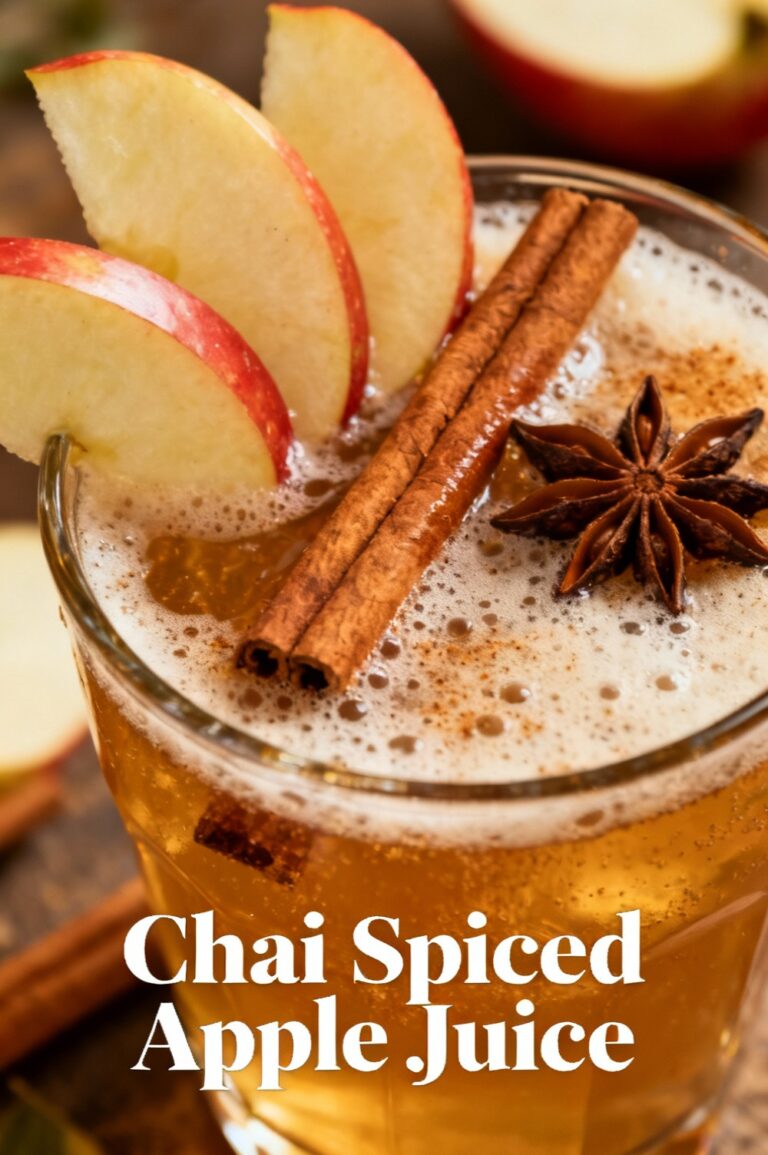
Apple slices and a cinnamon stick for garnish.
Ice (preferably large cubes to slow dilution).
Sensory notes: expect a warm, spiced apple aroma up front, a crisp citrus lift mid-palate, and a round, effervescent finish. These ingredients are chosen to layer aroma, acidity, sweetness, and texture.
Timing
Preparation time: 5 minutes.
Assembly time: 3–5 minutes.
Total time: 10 minutes, which is 75% less time than a 40-minute mulled cider recipe and about 50% faster than many chilled mocktails that require infusion time.
If you plan to make a pitcher for a party, allow 10–15 minutes to mix and chill components; the final fizz should be added just before serving to preserve carbonation.
Step 1 — Chill and prep
Start by chilling your glassware and sparkling water for at least 10–15 minutes. Cold glass keeps bubbles longer and slows dilution from ice. If you’re short on time, place the glass in the freezer for 5 minutes. Tip: keep apple slices thin so they release aroma without making the drink overly sweet.
Step 2 — Mix base flavors
In a shaker or large measuring glass, combine apple cider, lemon juice, maple syrup (if using), and grated ginger. Stir or gently shake for 10 seconds to dissolve sweetener and marry flavors. Personalized tip: if you prefer a tarter drink, add another teaspoon of lemon; for a softer profile, reduce lemon by half.
Step 3 — Add ice and strain
Fill your chilled glass with large ice cubes and strain the mixed base into the glass. Using large cubes slows dilution—important when cider’s nuance shines. If you like texture, skip straining to leave tiny ginger flecks and pulp for a rustic mouthfeel.
Step 4 — Top with bubbles
Carefully top with sparkling water or ginger beer (about 2 oz). Pour slowly over the back of a spoon to preserve effervescence. Actionable trick: hold a metal spoon near the rim and pour along its back to reduce foam.
Step 5 — Garnish and balance
Garnish with a thin apple slice and a cinnamon stick. Taste and adjust: if too tart, add a half-teaspoon of maple syrup; if too sweet, squeeze a touch more lemon. For a cooler aesthetic, rim the glass with cinnamon-sugar (optional).
Step 6 — Serve and personalize
Serve immediately for optimal fizz. For gatherings, prepare the cider base in advance and chill; add bubbles and ice just before serving. Personalized serving suggestion: offer a small bowl of mix-ins (pomegranate seeds, star anise, or rosemary sprigs) so guests can customize.
Nutritional Information
Approximate values per 8-oz serving (based on 4 oz apple cider + 2 oz sparkling water + 1 tbsp maple syrup + lemon juice): Calories: 95 kcal. Carbohydrates: 24 g. Sugars: 20 g (natural sugars from apple cider plus optional maple). Fat: 0 g. Protein: 0 g. Vitamin C: ~3–5 mg (from lemon and cider). Polyphenols: present (apple cider contains antioxidants like quercetin and catechins; levels vary by apple type and processing). Note: these are estimates; exact values change with specific brands and proportions. For precision, plug your exact ingredients into a nutrition calculator or app.
Healthier Alternatives for the Recipe
Lower-sugar version: use 3 oz apple cider + 3 oz sparkling water and replace maple syrup with 1–2 drops liquid stevia or monk fruit. This cuts added sugar while keeping apple flavor.
Higher-probiotic version: substitute sparkling water with unflavored kombucha for gut-friendly cultures and a tangy punch—watch for extra acidity.
Keto/low-carb swap: use diluted apple extract (or a small amount of concentrated apple juice) plus zero-calorie sweetener and extra lemon; this preserves apple aroma without carbs.
Ginger-forward or anti-inflammatory option: add 1 tsp fresh grated turmeric and 1/4 tsp black pepper to increase curcumin absorption (taste test recommended).
Allergen-friendly and vegan: stick with maple syrup or agave; honey is not vegan. For paleo, use raw apple cider and maple syrup only.
Serving Suggestions
Serve in a rocks glass for a cozy, intimate feel or in a highball for a tall, refreshing presentation. Pair with light cheeses, roasted nuts, or turkey sliders at a fall gathering. For brunch, present the mocktail in stemless wine glasses with a cinnamon-sugar rim and a sprig of rosemary for aroma. For kids and family-friendly events, create a DIY bar: pitcher of cider base, bowl of bubly, and assorted garnishes so everyone customizes their cup. For an adult crowd wanting an optional boozy version, offer a small carafe of bourbon or spiced rum to add per glass—recommend 1 oz per serving.
Common Mistakes to Avoid
Using boiled or overheated cider: heat flattens bright notes—keep cider chilled for best flavor.
Over-carbonating: adding too much ginger beer can overpower spice and sweetness; aim for a 2:1 cider-to-bubble ratio.
Too much sweetener: apple cider is naturally sweet—taste before adding maple or honey.
Adding bubbles too early: carbonation dissipates quickly if added before guests are served; mix base ahead but add sparkling component last.
Using thin ice: crushed or small cubes dilute quickly; choose large ice cubes or chilled metal cubes to preserve flavor.
Storing Tips for the Recipe
Store leftover apple cider in a sealed container in the refrigerator for 5–7 days; unpasteurized cider may last less time—follow label guidance. Pre-mix the non-carbonated base (cider + lemon + sweetener + spices) and refrigerate for up to 48 hours; add sparkling water and ice just before serving. For batch prep, freeze cider into ice cube trays to chill drinks without dilution and to add visual interest. If using fresh garnishes, store apple slices submerged in lemon water to prevent browning for up to 4–6 hours prior to service.
Conclusion
This Apple Cider Mocktail is a fast, flexible drink that proves non-alcoholic beverages can be layered, aromatic, and party-ready. With basic pantry ingredients and a few easy swaps you can create variants that suit keto, vegan, or probiotic-minded guests. Try the recipe, experiment with one healthier swap, and tell us which combination becomes your signature—share a photo or comment so others can try your twist.
FAQs
Q: Can I use bottled apple juice instead of fresh apple cider?
A: Yes—filtered apple juice is sweeter and clearer; reduce added sweetener accordingly. Fresh, unfiltered cider offers more depth and polyphenols.
Q: How far in advance can I make this mocktail for a party?
A: Pre-mix the base (cider + citrus + sweetener) up to 48 hours ahead and chill. Add bubbly and ice immediately before serving to maintain carbonation.
Q: Is this kid-friendly?
A: Absolutely—omit any alcohol, use ginger ale for sweetness if preferred, and serve in fun glasses with garnishes for a festive touch.
Q: Can I make a hot version?
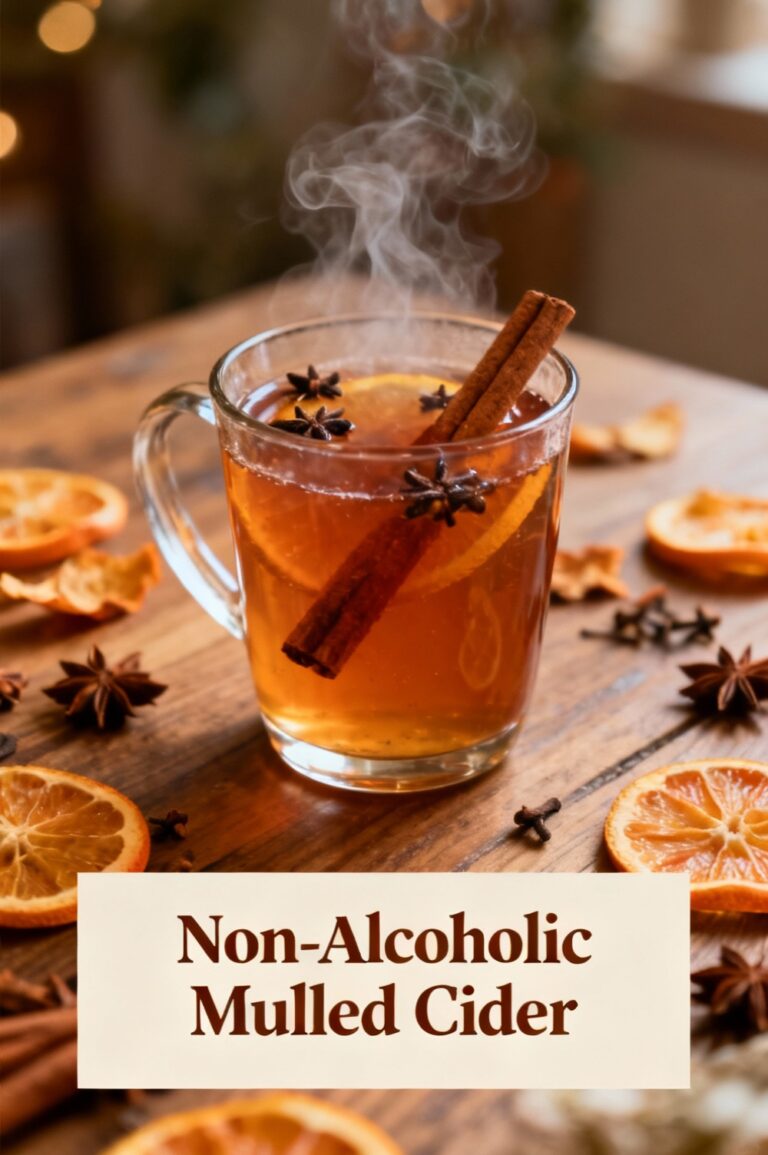
A: Yes—heat apple cider with cinnamon and star anise for a warm mocktail; skip sparkling water and serve immediately. Heating will change antioxidant profiles but enhances aroma.
Q: What’s the best type of apple cider to use?
A: Look for cold-pressed or unfiltered cider for fuller flavor and more natural apple compounds. Pasteurized cider works fine for safety and storage.
Q: How many calories are saved by diluting cider with sparkling water?
A: Diluting 4 oz cider with 4 oz sparkling water roughly halves the calories per serving compared to drinking 8 oz straight cider. Exact savings depend on proportions.
If you enjoyed this recipe, explore related content like spiced pear mocktails, rosemary grapefruit spritzers, or a guide to non-alcoholic party punches to expand your mocktail repertoire—try a variation, tag your post, and come back for more mixing tips and seasonal ideas.
Apple Cider Mocktail
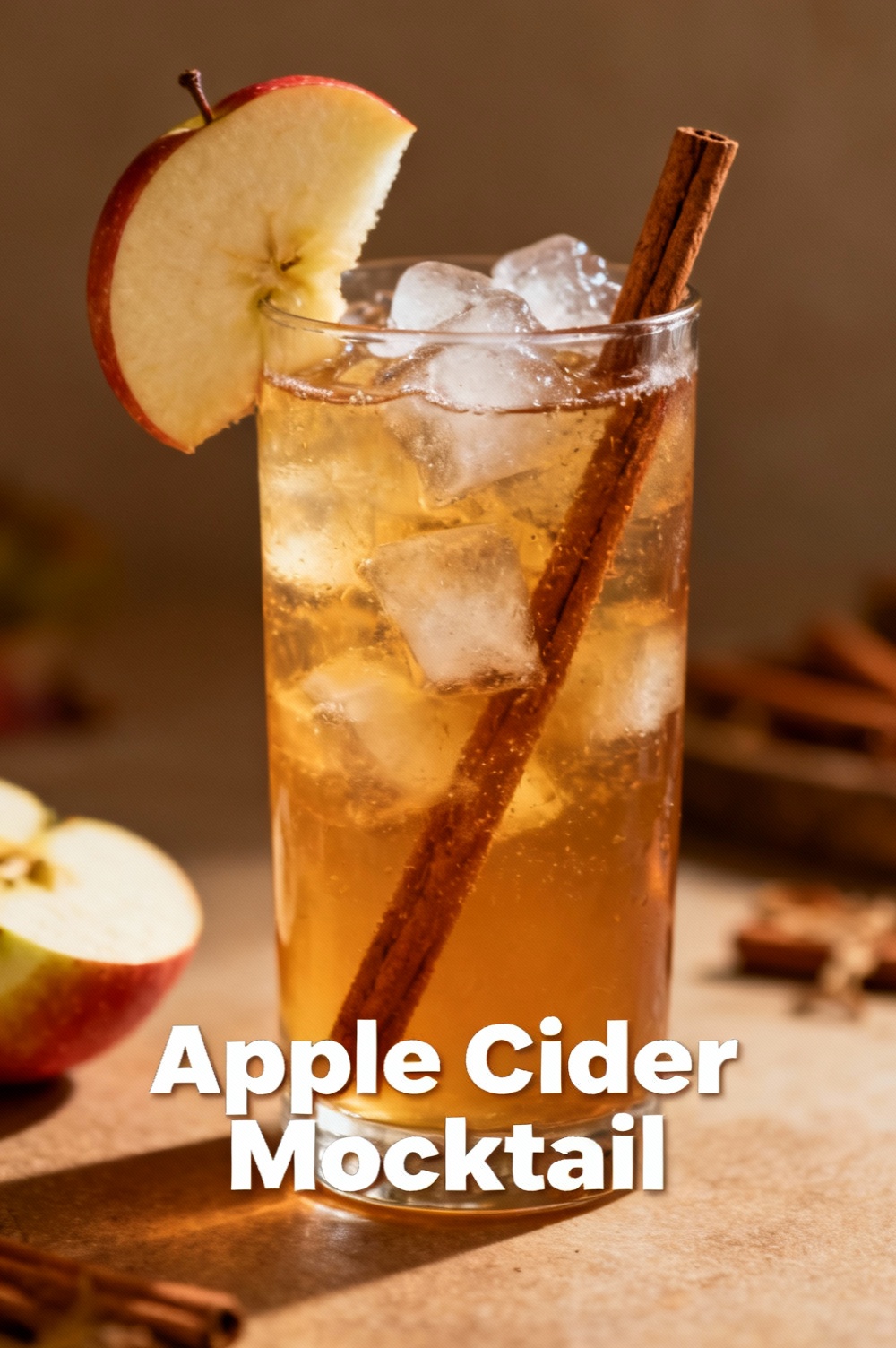
A cozy, sparkling apple cider mocktail — perfect for fall gatherings.
Ingredients
- 4 cups (960 ml) unfiltered apple cider
- 1 cup (240 ml) sparkling water or ginger ale, chilled
- 2 tbsp pure maple syrup (or honey), optional for sweetness
- 2 tbsp fresh lemon juice (about 1 lemon)
- 1–2 cinnamon sticks (or 1/2 tsp ground cinnamon)
- 1/8 tsp ground nutmeg (optional)
- Ice, as needed
- Apple slices and extra cinnamon sticks, for garnish
Instructions
- In a pitcher, combine the apple cider, maple syrup, lemon juice, ground cinnamon (if using), and nutmeg. Stir until the maple syrup dissolves.
- Taste and adjust sweetness or lemon to preference.
- Fill four glasses with ice and add a few apple slices to each glass.
- Divide the cider mixture evenly among the glasses, filling each about three-quarters full.
- Top each glass with sparkling water or ginger ale and stir gently to combine.
- Garnish with a cinnamon stick and an apple slice. Serve immediately chilled.
- Optional warm version: heat the cider with cinnamon and maple syrup over low heat (do not boil) and skip the sparkling water.
Nutrition Information
- Calories: 95 kcal
- Cholesterol: 0 mg
- Sodium: 10 mg
- Carbohydrates: 23 g
- Fiber: 0.5 g
- Sugar: 21 g
- Protein: 0.2 g