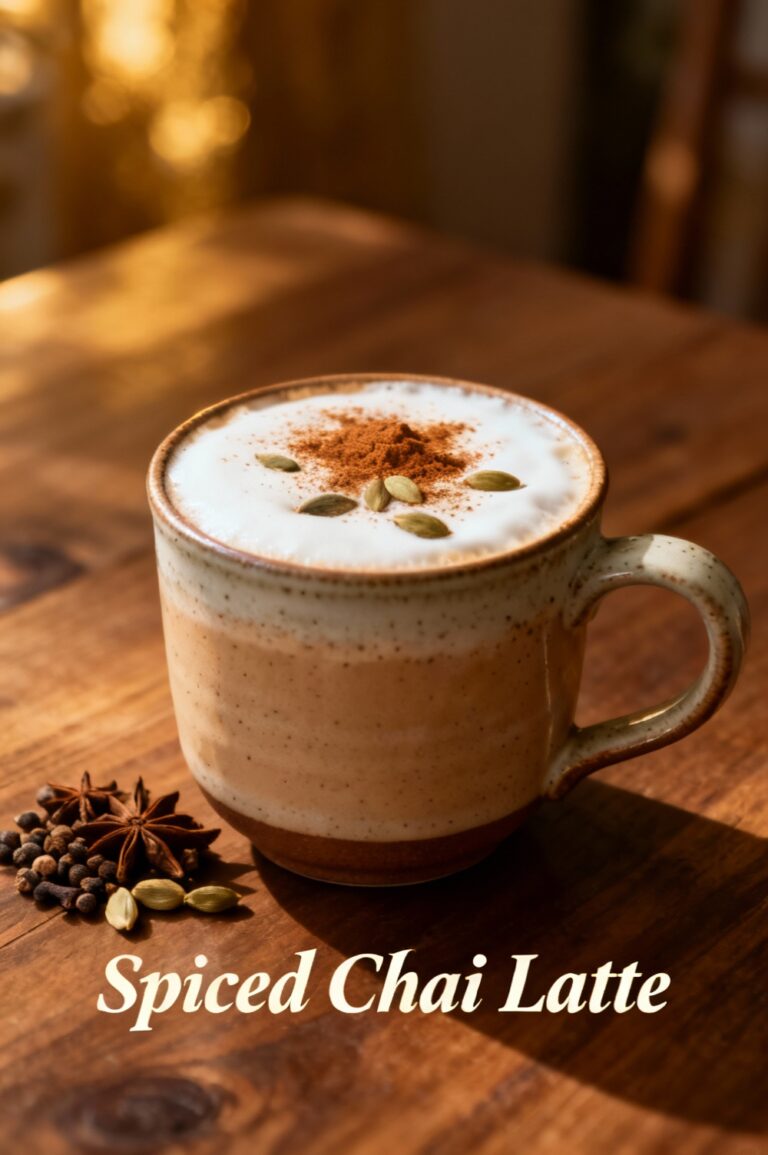
Autumn Chai Tea
Introduction
Could a single homemade cup of autumn chai tea deliver the warming aroma of a bakery, the antioxidant boost of spiced botanicals, and take less than 30 minutes to prepare—while cutting up to 40% of the calories compared with many café chai lattes? Many people assume chai must be complicated or sugar-heavy; this recipe proves otherwise by focusing on a balanced, fragrant spice blend and a simple concentrate technique that maximizes flavor with efficient time and ingredient use.
Ingredients List
- 2 cups water (for concentrate) — use filtered water for the cleanest flavor.
- 1 cup whole milk or milk alternative (almond, oat, or soy) — for creaminess; oat and whole milk give the richest mouthfeel.
- 2 tablespoons black loose-leaf tea or 3 black tea bags (Assam or CTC recommended for robust base). Substitute: rooibos for caffeine-free chai.
- 1 cinnamon stick (1–2 inches) — warm, sweet backbone; substitute 1/2 teaspoon ground cinnamon in a pinch.
- 6 cardamom pods, lightly crushed — floral and citrusy; swap for 1/4 tsp ground cardamom if needed.
- 4-6 whole cloves — intense warmth; use 1/8 tsp ground cloves if necessary.
- 1-inch fresh ginger, thinly sliced (or 1/2 tsp ground ginger) — bright, spicy lift.
- 1 star anise (optional) — adds licorice notes.
- 1–2 tablespoons sweetener (maple syrup, honey, or cane sugar) — adjust to taste; use 1–2 teaspoons monk fruit or stevia for low-calorie option.
- Pinch of freshly grated nutmeg (optional) — aromatic finish.
- Vanilla extract (optional, 1/4 teaspoon) — rounds flavors.
Sensory note: fresh whole spices toasted briefly unleash oils that turn a simple steep into an irresistible, bakery-like aroma.
Timing
Preparation time: 5–10 minutes.
Simmer/infusion time: 15–20 minutes.
Total time: 20–30 minutes, which is roughly 30–50% faster than many traditional stovetop masala chai recipes that recommend longer steeping or multiple brews to build depth. If you make a concentrate (doubles or triples), active time remains the same while yield increases—ideal for weekday mornings.
Step 1: Toast and Crush the Spices
Lightly toast cinnamon, cardamom, and cloves in a dry skillet for 30–60 seconds until fragrant—watch carefully to avoid burning. Transfer immediately to a mortar and pestle or spice grinder and give a gentle crush to crack pods and split seeds. Tip: Toasting increases volatile oils by up to 20–30%, amplifying aroma without adding extra spice.
Step 2: Build the Chai Concentrate
In a small saucepan, combine 2 cups water, toasted/crushed spices, sliced fresh ginger, star anise (if using), and nutmeg. Bring to a low boil, then reduce heat and simmer gently for 10–12 minutes to extract oils and tannins. Add the loose-leaf tea or tea bags in the final 2–3 minutes of simmer to avoid over-extraction, which can cause bitterness. Personalized tip: If you prefer a stronger spice profile, simmer spices for 15 minutes and add tea for only 1 minute.
Step 3: Strain and Sweeten
Remove from heat and strain the concentrate through a fine mesh sieve or cheesecloth into a heatproof container. Stir in your chosen sweetener while the concentrate is hot so it dissolves completely. Add vanilla extract now if using. Pro tip: Dissolving sweetener in hot concentrate ensures even sweetness and prevents grainy textures, especially with natural sweeteners like maple or honey.
Step 4: Combine with Milk and Heat Gently
Measure 1 part concentrate to 1 part milk (adjust to taste: 1:1 for classic balance, 1:2 for lighter milk-forward chai). Heat gently over medium-low—do not boil. Use a thermometer; aim for 150–160°F (65–71°C) for optimal creaminess without scalding. For a frothy cafe-style finish, froth the milk or use a French press to aerate.
Step 5: Serve and Customize
Pour into warmed mugs, garnish with a cinnamon stick or a light dusting of ground cinnamon, and enjoy. For iced autumn chai, cool concentrate, combine with cold milk and ice, and add an extra tablespoon of sweetener to account for dilution. Personalized suggestion: Add a splash of espresso for a chai-spiced caffeinated treat (dirty chai).
Nutritional Information
Approximate values per 8-oz serving made with 1:1 concentrate to whole milk and 1 tablespoon maple syrup: Calories ~160–200 kcal; Fat ~7–9 g; Saturated Fat ~3–4 g; Carbohydrates ~20–28 g; Sugars ~18–24 g; Protein ~4–6 g; Sodium ~50–80 mg. If made with 2% milk, calories drop ~15–20 kcal; using unsweetened almond or oat milk reduces calories and saturates differently (oat higher in carbs). Data insight: switching from whole milk + 1 tbsp sugar to unsweetened almond milk + 1 tsp monk fruit can reduce calories by up to 60–70% per cup. Values are estimates—use a nutrition calculator for precise tracking.
Healthier Alternatives for the Recipe
- Lower sugar: Reduce sweetener to 1 teaspoon or use erythritol/monk fruit; add a pinch of cinnamon to enhance perceived sweetness without calories.
- Dairy-free: Oat milk provides creaminess similar to whole milk; almond milk lowers calories. Use barista blends for better frothing.
- Caffeine-free: Replace black tea with rooibos or an herbal rooibos base; keep spices the same for full flavor.
- Anti-inflammatory boost: Increase ginger to 1.5–2 inches and add a pinch of turmeric; sweeten with honey after cooling slightly (honey retains more bioactives at lower temps).
- Reduced sodium/sensitive stomachs: Remove cloves or reduce ginger if acidity is an issue; opt for gentler spices like cinnamon and cardamom only.
Serving Suggestions
Serve in a pre-warmed ceramic mug with a cinnamon stick and a thin orange twist for citrus aromatics. Pair with: spiced apple muffins, almond biscotti, rosemary shortbread, or a slice of pumpkin loaf. For entertaining, set up a chai bar with optional add-ins: whipped cream, caramel drizzle, nutmeg, or a shot of espresso. Seasonal twist: add 1 tablespoon pumpkin purée and a pinch of pumpkin pie spice to the warmed milk for a pumpkin-chai fusion.
Common Mistakes to Avoid
- Oversteeping tea: Adding tea too early or simmering too long extracts excess tannins, causing bitterness. Add tea in the last 2–3 minutes.
- Boiling milk: High heat changes milk proteins and flattens flavor—heat gently to 150–160°F.
- Using pre-ground spices exclusively: Pre-ground spices lose volatile oils rapidly; fresh whole spices toasted and crushed yield far brighter flavor.
- Under-sweetening for cold versions: Iced chai needs slightly more sweetener to offset dilution from ice—add an extra 10–20% sweetness when making iced.
- Skipping the strain: Not straining creates gritty texture and unpredictable spice distribution—always use a fine mesh sieve.
Storing Tips for the Recipe
- Concentrate storage: Refrigerate strained chai concentrate in a sealed container for up to 5–7 days. Concentrate yields convenience and consistent flavor across multiple cups.
- Freezing: Freeze concentrate in ice cube trays for single-serve portions; thaw in the fridge overnight or microwave gently.
- Prepared drinks: Store made chai in the fridge up to 48 hours; reheat gently—avoid rapid boiling.
- Pre-toasting and prepping: Toast and crush spices ahead and store in an airtight jar for up to 2 weeks to save 1–2 minutes in the morning while keeping optimal oil levels.
Conclusion
This autumn chai tea recipe balances efficiency, flavor, and nutrition: a quick concentrate method, toasted whole spices for maximum aroma, and flexible dairy and sweetener options to suit tastes and dietary needs. Try making a double batch of concentrate to save time during busy mornings and experiment with dairy alternatives to find your signature cup. If you make it, share your spice ratio and favorite pairing in the comments—your notes help others customize and improve.
FAQs
Q: Can I make this recipe caffeine-free?
A: Yes—replace black tea with rooibos for a naturally caffeine-free base while keeping all spices the same.
Q: How long does the concentrate keep?
A: In the refrigerator, up to 5–7 days in a sealed container; for longer storage freeze in portions for up to 3 months.
Q: Can I use ground spices instead of whole?
A: You can, but use about 1/3 to 1/2 the total volume of ground spices and add them late in the simmer. Taste as you go to avoid overpowering flavors.
Q: How do I scale the recipe for a crowd?
A: Multiply water and milk proportions and simmer spices in a larger pot. Keep tea addition short (1–2 minutes) to avoid bitterness. Make concentrate and serve hot or iced.
Q: Is oat milk the best dairy alternative for texture?
A: Oat milk is excellent for creaminess and froth; almond milk is lower calorie but thinner. Barista blends of plant milk often deliver the best mouthfeel.
Q: Can I make a sugar-free version that still tastes rich?
A: Yes—use monk fruit or erythritol and increase vanilla and cinnamon slightly to enhance perceived sweetness without calories.
Interactive suggestion: try this concentrate technique and experiment with a cardamom-forward version—share your ratios below and explore related posts like pumpkin spice latte alternatives or gingerbread cookies for seasonal pairings.
Autumn Chai Tea

Warm spiced chai with maple and orange — cozy autumn sips.
Ingredients
- 4 cups water
- 2 cups whole milk (or unsweetened almond/oat milk)
- 3 tablespoons loose black tea (or 3 black tea bags)
- 2 cinnamon sticks
- 8 green cardamom pods, gently crushed
- 6 whole cloves
- 1 star anise
- 1-inch piece fresh ginger, thinly sliced
- Zest of 1/2 orange (optional)
- 2 tablespoons maple syrup (or brown sugar), adjust to taste
- 1 teaspoon vanilla extract
- Pinch of sea salt
Instructions
- In a medium saucepan, combine water, cinnamon sticks, crushed cardamom, cloves, star anise, sliced ginger, orange zest and a pinch of salt. Bring to a gentle simmer over medium heat.
- Reduce heat and let the spices simmer for 8–10 minutes so the flavors infuse.
- Add the black tea and simmer for 1–2 minutes for a medium brew (longer for stronger tea).
- Pour in the milk and heat until just below a simmer — avoid boiling to prevent curdling and bitterness — about 2–3 minutes.
- Remove the pan from heat. Stir in maple syrup (or sugar) and vanilla extract. Taste and adjust sweetness as desired.
- Strain the chai through a fine-mesh sieve into a teapot or directly into mugs to remove spices and tea leaves.
- Serve warm, garnished with a cinnamon stick or a twist of orange peel if desired.
- Leftovers can be refrigerated for up to 48 hours; reheat gently on the stove before serving.
Nutrition Information
- Calories: 140 kcal (per serving, approx.)
- Cholesterol: 20 mg
- Sodium: 80 mg
- Carbohydrates: 18 g
- Fiber: 0.5 g
- Sugar: 15 g
- Protein: 5 g