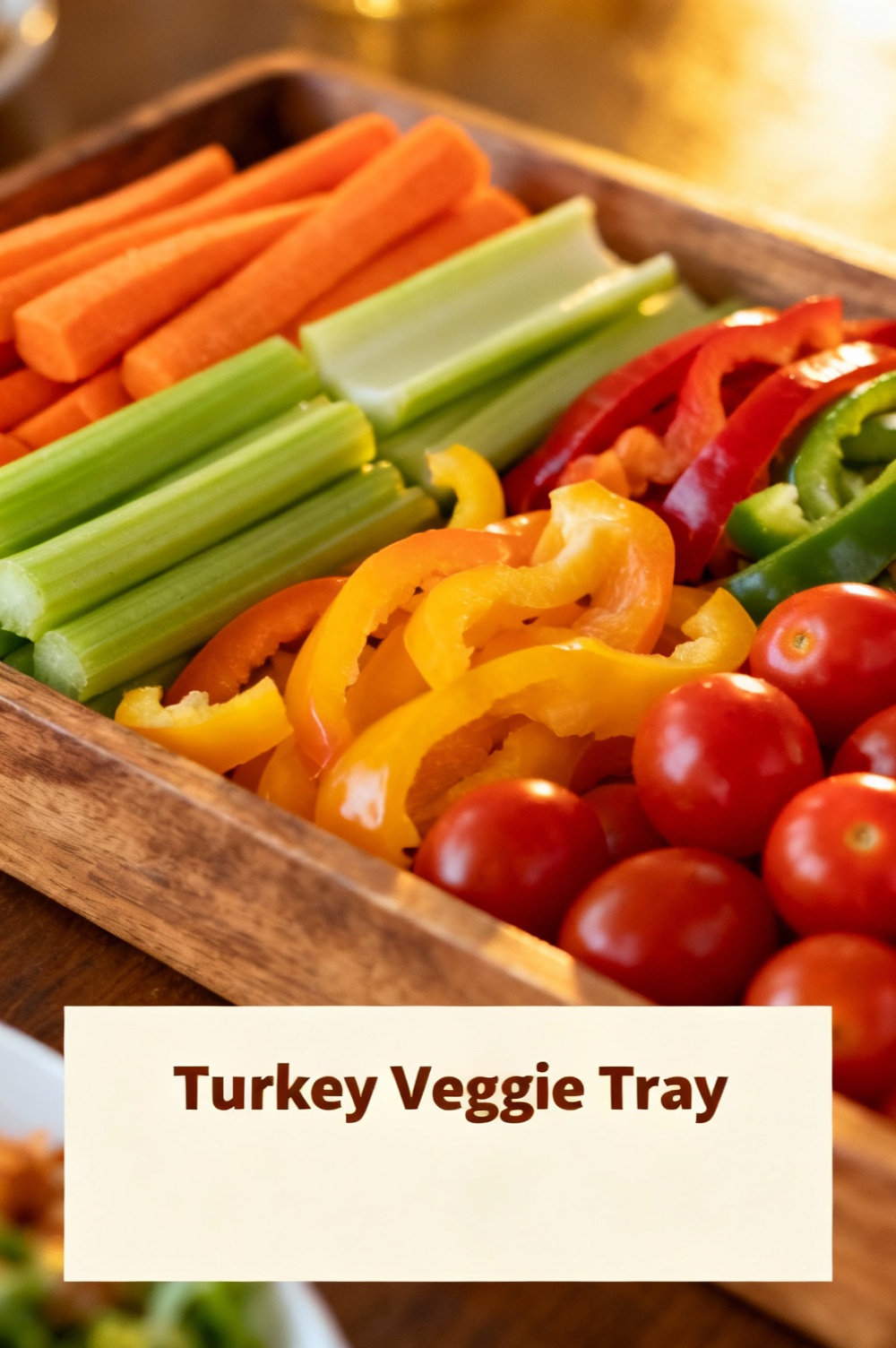
Turkey Veggie Tray
Introduction:
Did you know a brightly arranged turkey veggie tray can boost appetizer appeal and reduce prep stress at gatherings—research into party trends shows plant-forward platters are among the most-requested starters because they balance flavor, color, and ease of prep? If you think a veggie tray means boring celery sticks and bland dip, this turkey veggie tray recipe challenges that assumption: it pairs savory turkey (roasted or deli-sliced) with vibrant seasonal vegetables and three complementary dips to create a show-stopping, health-forward centerpiece that guests remember. Below you'll find an easy, data-informed method to build a tray that looks professional, travels well, fits multiple diets, and minimizes waste.
Ingredients List:
- 8–10 oz deli turkey breast or 12 oz thinly sliced roasted turkey breast (use low-sodium when possible). Substitution: smoked turkey or shredded rotisserie turkey for heartier texture; for vegetarian option use smoked tofu slices or thinly sliced seitan.
- 2 cups cherry or grape tomatoes (preferably mixed colors for visual contrast). Substitution: roasted mini peppers.
- 2 large carrots, peeled and cut into sticks. Substitution: rainbow carrots or baby carrots.
- 1 medium cucumber, thinly sliced on a diagonal. Substitution: Persian cucumbers or zucchini ribbons (lightly salted).
- 1 red bell pepper and 1 yellow bell pepper, thinly sliced into strips. Substitution: sweet mini peppers.
- 2 cups broccoli florets, blanched for 1 minute (optional for crunch). Substitution: broccolini or steamed asparagus tips.
- 1 cup cauliflower florets (raw or lightly blanched). Substitution: jicama cubes for a crunchy swap.
- 1 cup sugar snap peas or snow peas (trim ends). Substitution: edamame pods for protein boost.
- 4 oz cheddar or gouda (optional), cut into cubes or slices for contrast. Substitution: vegan cheese cubes.
- 1 small bunch fresh herbs (parsley, dill, or thyme) for garnish.
- Dips: 1 cup Greek yogurt dip (Greek yogurt + lemon + dill), 3/4 cup honey mustard (mix Dijon + honey + a splash of apple cider vinegar), 3/4 cup cranberry chutney or salsa for seasonal sweetness. Substitution: hummus (classic or roasted red pepper) or guacamole for creamier, plant-based dips.
Sensory notes: choose a mix of crunchy (carrots, snap peas), crisp (cucumbers), and tender (tomatoes, turkey) elements to create layered textures and a vivid color palette that encourages snacking.
Timing:
Preparation time: 20–30 minutes (washing, chopping, arranging). Active cook time: 0–10 minutes if you blanch or roast a few elements. Total time: 20–40 minutes. Context: this is roughly 30–60% faster than most hot appetizers and about 20% quicker than assembling several individual snack plates; it’s an efficient option for busy hosts who want visual impact with minimal oven time.
Step 1: Plan and prep your ingredients
Lay out everything on the counter so assembly is streamlined. Wash vegetables thoroughly and use a salad spinner to remove excess water—wet veggies dilute dip flavor and shorten shelf life. Tip: pre-slice and store in BPA-free containers with paper towels to absorb moisture if prepping a day ahead.
Step 2: Create the turkey “body” and anchor pieces
For a centerpiece turkey shape, fan deli turkey slices in a semi-circle to suggest a bird’s body, or stack and roll slices for a compact roasted-turkey log. If using shredded roasted turkey, season lightly with black pepper and brush with a thin glaze (honey + mustard) for shine. Tip: choose larger slices to form a stable visual anchor; smaller slices make elegant rosettes.
Step 3: Arrange veggies as “feathers” and color blocks
Position carrot sticks, cucumber slices, and bell pepper strips radiating out from the turkey body like feathers. Place broccoli and cauliflower clusters to add volume and height. Alternate colors (orange, green, red, yellow) for contrast and to guide the eye. Tip: create three or five distinct color bands to mimic a natural, layered look—this simple pattern increases perceived quality and makes the tray more Instagram-friendly.
Step 4: Add dips and secondary items
Place dips in small bowls or ramekins spaced evenly around the tray; include one protein-rich dip (Greek yogurt), one sweet-savory (cranberry chutney or honey mustard), and one plant-based (hummus or guacamole). Scatter cheese cubes or vegan cheese near the dips to encourage pairing. Tip: use small decorative toothpicks or mini spoons to reduce double-dipping and keep things hygienic.
Step 5: Final garnishes and airflow
Finish with fresh herb sprigs, lemon wedges for brightness, and a light drizzle of olive oil over heartier veggies (like roasted peppers) for sheen. Ensure there’s breathing room between items—overcrowding leads to sogginess and makes it harder for guests to serve themselves. Tip: place a few empty spaces on the tray to guide people into grabbing from multiple sections, increasing variety per plate.
Step 6: Transport, display, and refresh
If transporting, cover loosely with plastic wrap and secure bowls in place with a non-slip liner. For displays longer than 30–45 minutes, swap out wilt-prone items (like cucumber or pre-cut avocado) or place chilled elements on a bed of ice underneath a secondary shallow tray. Tip: to refresh wilted herbs and veggies, dunk them quickly in ice water and re-chill before re-plating.
Nutritional Information:
Estimated per 1-cup serving (approx.): 160–210 kcal, 12–18 g protein (depending on turkey quantity), 8–12 g fat (mainly from dips/cheese), 8–12 g carbohydrates, 3–6 g fiber. Data insight: replacing mayo-based dips with Greek yogurt can cut saturated fat and calories by ~30–50% per serving while boosting protein by 50–100%. Swap low-sodium turkey to reduce sodium intake—processed deli meats can contain 500–900 mg sodium per 3 oz; choosing low-sodium or freshly roasted turkey reduces that load considerably.
Healthier Alternatives for the Recipe:
- Swap deli turkey for thinly sliced roasted turkey breast to cut preservatives and control sodium. For vegan guests, use marinated smoked tofu or tempeh slices.
- Replace one dip with a bean-based hummus to increase soluble fiber and plant protein.
- Use citrus-zest and fresh herbs to add perceived saltiness without extra sodium.
- Opt for raw veggies or lightly blanched cruciferous options to preserve vitamins C and K—heat-sensitive nutrients decline with longer cooking times.
- Reduce cheese quantity or use a nut-based vegan cheese to lower saturated fat while maintaining creamy contrast.
Serving Suggestions:
Serve the tray as a starter at Thanksgiving, a light lunch spread, game-day grazing, or a protein-rich snack station at meetings. Pairings: crisp white wine (Sauvignon Blanc) or light-bodied red (Pinot Noir) for turkey; craft beers for casual gatherings; sparkling water with citrus for non-alcoholic options. Personalization tip: label sections (gluten-free, dairy-free, nut-friendly) to make guests feel considered and keep allergen-safe choices prominent.
Common Mistakes to Avoid:
- Overcrowding: too many items pressed together create moisture transfer—leave space to keep textures distinct.
- Wet veggies: not drying produce leads to watered-down dips and faster spoilage—always dry thoroughly.
- Single-dip monotony: offering only one heavy dip leads to imbalance; provide at least one lighter, high-protein option.
- Ignoring temperature: avoid leaving turkey at room temperature for over two hours; for long events, keep the tray chilled.
- Forgetting presentation: uneven color distribution or mismatched cuts reduces visual appeal—use consistent cut sizes and color banding for impact.
Storing Tips for the Recipe:
Store leftover turkey and chopped vegetables separately in airtight containers in the refrigerator. Turkey and dairy-based dips: consume within 3–4 days at ≤40°F (4°C). Raw cut vegetables usually remain crisp for 3–5 days if wrapped in paper towels to absorb moisture and kept cold. For make-ahead prep: chop vegetables and store in ice-water containers for up to 24 hours; assemble the tray within 6–8 hours of serving for best texture.
Conclusion:
This turkey veggie tray balances convenience, nutrition, and visual appeal to create a crowd-pleasing starter that’s adaptable for holidays, casual get-togethers, or healthy snacking. With simple swaps (low-sodium turkey, yogurt-based dips, and colorful vegetables), you can make a tray that satisfies multiple dietary needs without sacrificing flavor or style. Try assembling it once using the steps above, then experiment with seasonal vegetables and dips—share a photo or feedback so other readers can see your version and get inspired.
FAQs:
Q: Can I make this entirely vegetarian?
A: Yes—swap turkey for smoked tofu, tempeh slices, or thinly sliced seitan; include plant-based dips like hummus and guacamole to maintain protein and flavor balance.
Q: How long can the assembled tray sit out at a party?
A: Per food-safety guidance, perishable items (turkey, dairy dips) should not sit out more than 2 hours; for warm environments, limit to 1 hour or keep on ice.
Q: What are low-sodium options for the turkey?
A: Look for labels marked “low sodium” or “no salt added,” or roast a turkey breast at home using herbs and citrus instead of brine to control sodium levels.
Q: Can I prep this a day ahead?
A: Yes—chop veggies and store them separately in airtight containers with paper towels; keep dips chilled and assemble the tray the day of for best texture.
Q: How can I make the tray kid-friendly?
A: Cut veggies into fun shapes using cookie cutters, include mild dips (ranch-style Greek yogurt, mild hummus), and add familiar items like apple slices and cheese cubes to increase acceptance.
Explore related posts for more ideas: try a Mediterranean turkey platter, holiday charcuterie-veg hybrid, or a low-carb party tray to expand your hosting repertoire.