Oatmeal Scotchies
Introduction
Did you know that swapping part of the flour in your cookie dough for old-fashioned oats can boost fiber and chewiness while keeping calories similar—transforming a simple cookie into a more satisfying treat that research on whole grains links to improved satiety and blood-sugar response? If you think Oatmeal Scotchies are cloyingly sweet or only a nostalgic cookie, this recipe and guide will challenge that belief with practical swaps, precision tips, and sensory-driven techniques to deliver perfectly chewy, caramel-kissed cookies every time.
Ingredients List
- 1 cup (2 sticks / 226 g) unsalted butter, softened (substitute: coconut oil or vegan buttery spread in a 1:1 ratio for vegan version). The butter browns slightly for a deeper butterscotch note.
- 1 cup packed light brown sugar (substitute: coconut sugar for a less refined option; reduce slightly if using very sweet substitutes). Brown sugar adds molasses moisture and chew.
- 1/2 cup granulated sugar (substitute: monk fruit sweetener for lower sugar; adjust to taste).
- 2 large eggs at room temperature (substitute: 2 flax eggs—2 tbsp ground flax + 6 tbsp water—for vegan).
- 1 tsp pure vanilla extract (or 1/2 tsp vanilla bean paste for extra aroma).
- 1 3/4 cups (220 g) old-fashioned rolled oats (do not use instant if you want structure; quick oats can be used but yield a softer texture).
- 1 3/4 cups (220 g) all-purpose flour (substitute: 1:1 gluten-free flour blend; reduce by 1–2 tbsp if dough feels dry).
- 1 tsp baking soda.
- 1/2 tsp fine sea salt (or 3/4 tsp if using unsalted butter).
- 1 1/2 cups butterscotch chips (substitute: dark chocolate chips, chopped toffee, or chopped dates for different flavor profiles).
- Optional: 1/2 cup chopped walnuts or pecans for crunch; flaky sea salt for finishing.
Timing
Preparation: 15 minutes.
Chill/rest (recommended): 15–30 minutes (optional but improves texture).
Baking: 9–11 minutes per batch.
Total time: ~45 minutes if you skip extended chilling, or 1 hour with a 30-minute rest—about 25% faster than many traditional cookie recipes that recommend an hour-plus chilling for stability. Using a 30-minute chill hits a sweet spot between flavor development and convenience.
Step 1: Measure and prep precisely
Weigh ingredients when possible—precision reduces variation batch-to-batch. Preheat oven to 350°F (175°C) and line two baking sheets with parchment or silicone mats. Soften butter to about 65–70°F (slightly springy) for optimal creaming; if in a hurry, microwave at 5-second intervals until pliable but not melted.
Step 2: Cream butter and sugars
In a large bowl or stand mixer fitted with a paddle, cream the butter and both sugars on medium speed for about 2–3 minutes until light and slightly fluffy. Scrape the bowl halfway through. Tip: creaming incorporates air for lift—stop once you see a pale, cohesive mixture; over-creaming can make cookies spread too much.
Step 3: Add eggs and vanilla
Add eggs one at a time, mixing until just combined; add vanilla. If using flax eggs, whisk the flax mixture separately to a gel-like consistency before incorporating. Personalization tip: for a more caramelized flavor, swap one egg for one egg yolk to increase tenderness and chew.
Step 4: Combine dry ingredients
Whisk together flour, baking soda, and salt in a separate bowl. Gradually add to the wet mixture on low speed, mixing just until combined. Avoid overmixing to keep gluten development minimal—this preserves a tender crumb.
Step 5: Fold in oats and chips
Using a spatula, fold in the rolled oats until evenly distributed, then fold in butterscotch chips (and nuts if using). The oats create structural pockets that trap melted chips and maintain chewiness. TIP: reserve 1/4 cup of chips to press on top of scooped dough right before baking for bakery-style presentation.
Step 6: Scoop, chill, and shape
Use a 1.5-tablespoon cookie scoop for uniformly sized cookies (makes ~36). For thicker cookies, chill scooped dough for 15–30 minutes; chilled dough spreads less and yields a chewier center. For soft but slightly crisp edges, bake immediately and reduce time by 1 minute. Personal tweak: press a few extra chips into the tops right before baking.
Step 7: Bake and cool properly
Bake on the middle rack at 350°F (175°C) for 9–11 minutes until edges are golden and centers look set but slightly underbaked. Rotate pans halfway for even browning. Allow cookies to cool on the sheet for 5 minutes (carryover baking finishes the center), then transfer to a wire rack. Tip: for fudgier centers, underbake by 1 minute; for crispier cookies, extend by 1–2 minutes.
Nutritional Information
Estimated per cookie (based on 36 cookies from recipe): Calories ~135 kcal, Fat ~7.5 g (Saturated ~4 g), Carbohydrates ~15.5 g, Sugars ~9–10 g, Fiber ~1.2 g, Protein ~1.8 g, Sodium ~85 mg. These are approximations based on USDA ingredient averages; swapping ingredients (e.g., coconut oil, sugar substitutes, gluten-free flour) will shift macros. If tracking macros, weigh finished yield and calculate with your preferred nutrition tool for precise values tailored to your substitutions.
Healthier Alternatives for the Recipe
- Reduce sugar: lower granulated sugar to 1/4 cup and increase brown sugar to 1 1/4 cups to preserve moisture while cutting refined sugar.
- Use whole-grain or oat flour: replace 1/2 cup of AP flour with oat or whole-wheat pastry flour to add fiber and micronutrients; adjust liquid if dough tightens.
- Lower fat: swap half the butter for unsweetened applesauce in combination with a bit of extra vanilla—expect softer texture.
- Vegan/gluten-free: use vegan butter and flax eggs plus a certified 1:1 gluten-free flour blend and gluten-free oats. Add 1/4 tsp xanthan gum if your blend lacks binding.
- Reduce sugar spikes: use dark chocolate chips or chopped almonds to replace some butterscotch chips and pair cookies with a protein or dairy snack to blunt glycemic impact.
Serving Suggestions
Serve warm with a tall glass of cold milk or a latte for classic pairing. For a modern twist, create an ice-cream sandwich using two cooled cookies and a scoop of salted caramel or vanilla bean ice cream; roll edges in crushed toasted oats or chopped nuts. For brunch, crumble over Greek yogurt with a drizzle of maple syrup and fresh berries. Personalization: sprinkle flaky sea salt immediately after baking for a sweet-salty contrast that elevates the butterscotch.
Common Mistakes to Avoid
- Using instant oats instead of old-fashioned: instant oats absorb differently and make the texture gummy—prefer old-fashioned rolled oats for chew.
- Not chilling dough when needed: warm dough spreads excessively, flattening cookies—chill for thicker results.
- Overmixing after flour addition: creates tough, cakey cookies through excess gluten formation. Mix until just combined.
- Skipping parchment or silicone: direct contact with pan promotes over-browning; use liners for even baking.
- Ignoring oven variance: ovens run hot/cool—use an oven thermometer and rotate pans to avoid uneven browning.
Storing Tips for the Recipe
Cool cookies completely before storing to prevent condensation and sogginess. Store at room temperature in an airtight container layered with parchment for up to 4 days. To extend freshness, freeze baked cookies in a single layer on a tray, then transfer to a freezer bag for up to 3 months; thaw at room temperature for 10–15 minutes. Freeze dough balls on a tray, then bag them—bake from frozen adding 1–2 minutes to bake time for fresh cookies any time. To revive a slightly stale cookie, microwave for 6–8 seconds or warm in a 300°F oven for 3–4 minutes.
Conclusion
Oatmeal Scotchies are a versatile, comforting cookie that balances cozy oat texture with sweet butterscotch richness. With precise technique—proper creaming, measured ingredients, and the optional chill—you can consistently achieve chewy centers and golden edges. Try this approach, experiment with the healthier swaps to match dietary needs, and share your results or tweak ideas in the comments or social channels to help other bakers. Ready to bake? Scoop a tray and test one tweak tonight.
FAQs
Q: Can I use quick oats instead of old-fashioned oats?
A: Yes, but quick oats yield a more uniform, softer cookie that may lose the signature chew. For best texture, use old-fashioned rolled oats.
Q: How do I make these vegan?
A: Replace butter with vegan butter, use flax eggs (2 tbsp ground flax + 6 tbsp water per 2 eggs), and ensure butterscotch chips are dairy-free or swap for vegan chocolate.
Q: Why did my cookies spread too much?
A: Common causes are over-soft butter, too much sugar, too-warm dough, or a low baking temperature. Chill dough, measure ingredients accurately, and check oven temp.
Q: Can I substitute chocolate for butterscotch?
A: Absolutely—semi-sweet or dark chocolate chips balance the oat flavor well. Consider mixing both for a complex profile.
Q: How do I make thicker cookies without chilling overnight?
A: Use a larger scoop, slightly underbake, or chill scooped dough for 15–30 minutes. Adding an extra tablespoon of flour can also reduce spread.
If you'd like, I can convert this into a printable recipe card, create a metric-only version, or a timed baking schedule for batch prep—tell me which and I’ll generate it.
Oatmeal Scotchies
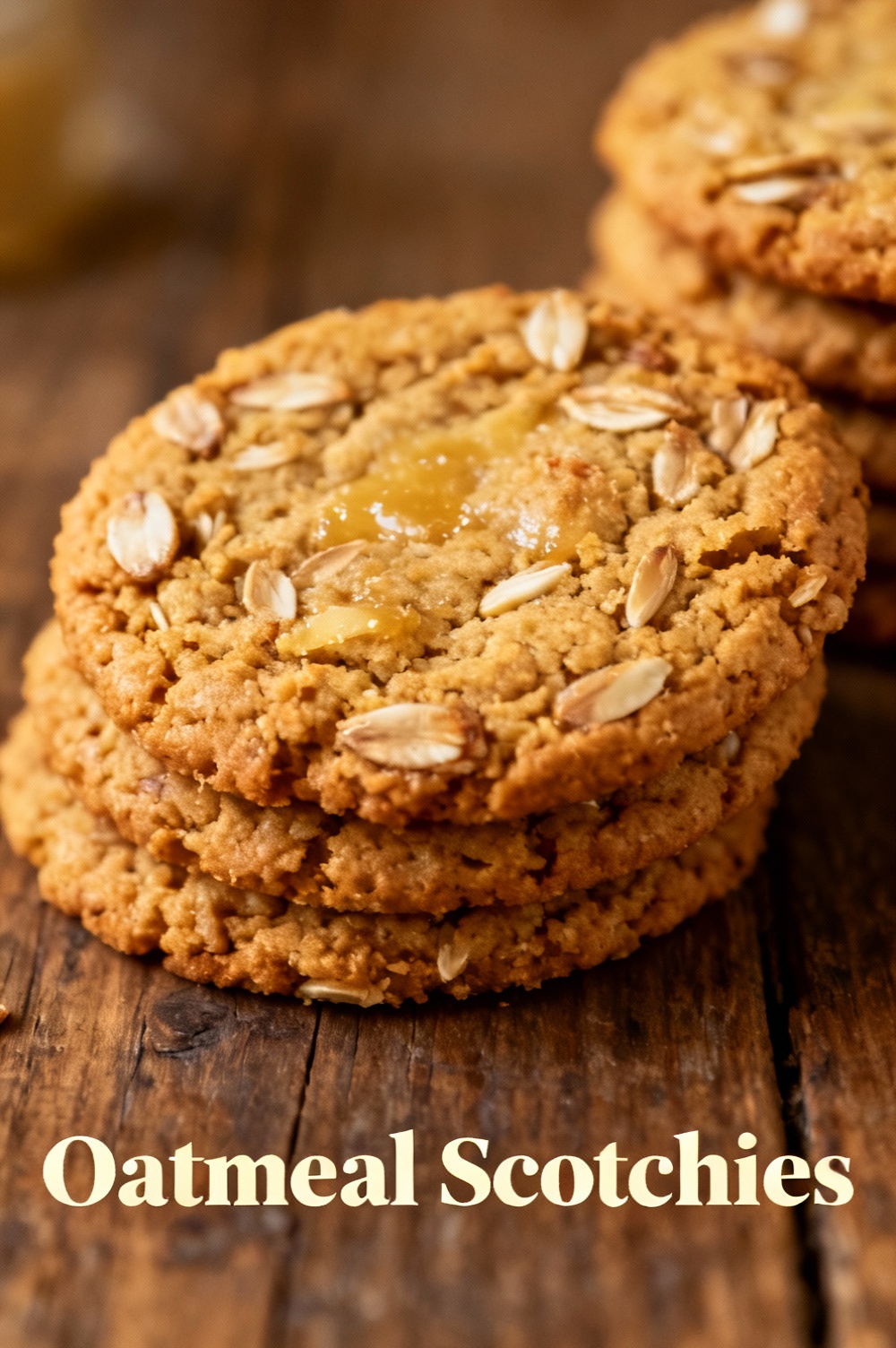
Chewy, buttery oatmeal cookies studded with sweet butterscotch chips.
Ingredients
- 1 cup (226 g) unsalted butter, softened
- 1 cup (220 g) packed light brown sugar
- 1/2 cup (100 g) granulated sugar
- 2 large eggs, room temperature
- 2 tsp vanilla extract
- 1 1/2 cups (192 g) all-purpose flour
- 1 tsp baking soda
- 1 tsp ground cinnamon (optional)
- 1/2 tsp salt
- 3 cups (240 g) old-fashioned rolled oats
- 1 1/2 cups (255 g) butterscotch chips
Instructions
- Preheat the oven to 350°F (175°C). Line baking sheets with parchment paper or silicone mats.
- In a large bowl, cream together the softened butter, brown sugar, and granulated sugar until light and fluffy, about 2–3 minutes.
- Add the eggs one at a time, mixing well after each addition, then stir in the vanilla extract.
- In a separate bowl, whisk together the flour, baking soda, cinnamon (if using), and salt. Gradually add the dry ingredients to the wet ingredients and mix until just combined.
- Fold in the rolled oats and butterscotch chips until evenly distributed throughout the dough.
- Drop rounded tablespoons of dough (or use a small cookie scoop) onto the prepared baking sheets, spacing cookies about 2 inches apart.
- Bake for 10–12 minutes, or until the edges are set and the centers are still slightly soft. Avoid overbaking for chewier cookies.
- Allow cookies to cool on the baking sheet for 5 minutes, then transfer to a wire rack to cool completely. Store in an airtight container for up to 5 days.
Nutrition Information
- Calories: 148 kcal (per cookie, based on 36 cookies)
- Cholesterol: 15 mg
- Sodium: 85 mg
- Carbohydrates: 18 g
- Fiber: 1 g
- Sugar: 10 g
- Protein: 1.6 g