Balsamic Brussels Sprouts
Introduction:
Have you ever wondered why a simple drizzle of balsamic can flip Brussels sprouts from “bitter side dish” to “holiday highlight”—and what sensory science tells us about that transformation? Taste research shows that acid and sweetness together reduce perceived bitterness and amplify umami and caramelization, which is exactly why a balsamic glaze turns these tiny cabbages into craveable bites for both skeptics and fans.
Ingredients List:
- 1.5 pounds (about 700 g) Brussels sprouts, trimmed and halved — choose firm, bright green heads for best texture.
- 2 tablespoons extra-virgin olive oil — or use avocado oil for a higher smoke point.
- 2 tablespoons balsamic vinegar (aged or traditional) — aged balsamic gives deeper sweetness without extra sugar.
- 1 tablespoon balsamic glaze or 1 teaspoon honey/maple syrup (optional) — for extra caramelized shine.
- 1/2 teaspoon fine sea salt, plus more to taste.
- 1/4 teaspoon freshly cracked black pepper.
- 2 cloves garlic, thinly sliced (optional) — adds savory depth.
- Zest of 1 lemon and 1–2 teaspoons lemon juice (optional) — brightens flavors and balances sweetness.
- 2 tablespoons toasted pine nuts or chopped walnuts (optional) — for crunch.
- Optional finishing: shaved Parmesan or nutritional yeast for a vegan option.
Substitutions and sensory notes: Swap olive oil for a neutral oil if you want the balsamic to sing louder. Replace honey with maple syrup or a monk-fruit sweetener for lower sugar. For a smoky profile, add 1/4 teaspoon smoked paprika. Frozen Brussels sprouts work in a pinch (see FAQs), but fresh provides superior caramelization and mouthfeel.
Timing:
Preparation: 10 minutes.
Cooking: 20–28 minutes (roasting) or 10–15 minutes (air fryer).
Total: ~30–38 minutes, which is typically 25–40% faster than braising or slow-roast methods that can take 45–90 minutes. If you’re short on time, the air fryer option gives comparable caramelization in under 15 minutes.
Step 1 — Preheat and prep for optimal caramelization:
Preheat your oven to 425°F (220°C). High heat encourages Maillard reactions—those flavorful brown edges you crave—without turning the interiors mushy. If using an air fryer, preheat to 400°F (200°C). Line a sheet pan with parchment or a light coat of oil to prevent sticking; overcrowding traps steam and reduces crisping, so use two pans for even roasting.
Step 2 — Trim and halve with purpose:
Trim the woody stem but leave a thin bit so leaves don’t fall off. Halve each sprout through the core—this exposes more surface area for caramelization. For very large sprouts, quarter them so all pieces cook evenly. Toss immediately with oil and salt to help the oil cling and to pull moisture from the surface for faster browning.
Step 3 — Season, arrange, and roast:
Toss sprouts with olive oil, salt, pepper, and sliced garlic if using. Arrange cut-side down on the pan in a single layer; this maximizes browning. Roast for 18–22 minutes, turning once halfway. Look for deep golden-brown edges and tender interiors. If using an air fryer, shake the basket after 7–8 minutes and continue until crisp-tender.
Step 4 — Balsamic finish and glaze technique:
While sprouts roast, combine balsamic vinegar and optional honey or glaze in a small saucepan; simmer over low heat 2–4 minutes to reduce slightly and thicken (don’t over-reduce—too sticky will burn). Alternatively, use a ready-made balsamic glaze. Once sprouts are roasted, immediately toss them in the warm balsamic reduction (or drizzle and toss) so the acid adheres and slightly caramelizes from pan heat. Add lemon zest/juice and nuts now to layer brightness and crunch.
Step 5 — Plate, garnish, and serve:
Transfer to a warm dish and finish with shaved Parmesan or nutritional yeast, more cracked pepper, and a sprinkle of toasted nuts. Serve hot — the contrast of crisp edges and glossy glaze is best right away.
Nutritional Information:
Estimated per serving (recipe serves 4): Calories 140–180 kcal; Fat 8–10 g (mostly from olive oil); Carbohydrates 14–18 g; Fiber 4–6 g; Protein 3–4 g; Sodium 250–400 mg depending on added salt and cheese. Brussels sprouts are nutrient-dense: per USDA FoodData Central, 1 cup cooked Brussels sprouts delivers significant vitamin C and vitamin K (often meeting >50% of daily needs), plus folate and manganese. The added oil increases caloric density but also aids absorption of fat-soluble vitamins. Reducing or substituting oil lowers calories; using aged balsamic versus sweetened glaze reduces added sugars.
Healthier Alternatives for the Recipe:
- Lower-calorie glaze: Replace honey/maple with a teaspoon of balsamic reduction and 1–2 drops of liquid monk fruit or stevia; keep the tang without extra sugar.
- Less oil: Toss sprouts with 1 tablespoon oil and 1 tablespoon water and roast at slightly lower temp, or use an air fryer for crispness with 50–60% less oil.
- Keto-friendly: Use a sugar-free balsamic glaze or reduce balsamic and add a touch of erythritol to mimic sweetness. Serve with higher-fat protein to balance macros.
- Vegan & allergy swaps: Use maple syrup or omit honey; replace cheese with nutritional yeast for umami. Swap nuts for toasted sunflower seeds if nut-free.
- Add protein: Toss with cooked chickpeas, pancetta, or cubed tempeh to turn this into a main-dish warm salad.
Serving Suggestions:
Serve these balsamic Brussels sprouts alongside roast chicken, honey-glazed salmon, pork tenderloin, or as part of a vegetarian grain bowl with farro or quinoa. For holiday menus, pair with mashed potatoes and cranberry compote—the sweet-tart interplay is crowd-pleasing. For weeknight dinners, toss with cooked pasta, toasted walnuts, and Pecorino for an easy, comforting entrée. Personal tip: serve in a warm cast-iron skillet to keep them crisp at the table.
Common Mistakes to Avoid:
- Overcrowding the pan: Leads to steaming, not roasting—use two pans if needed.
- Cutting unevenly: Larger pieces take longer and result in inconsistent texture—aim for uniform halves.
- Adding balsamic too early: Reductions or glazes added at the start can burn; finish at the end to preserve flavor.
- Using low heat: You’ll miss the caramelization that defines great roasted sprouts—425°F is a reliable target.
- Skipping seasoning: Brussels sprouts need salt to unlock sweetness; season before roasting for better penetration.
Storing Tips for the Recipe:
Cool completely before refrigerating to avoid sogginess. Store in an airtight container up to 3–4 days; reheat in a 400°F oven or air fryer for 5–8 minutes to revive crisp edges. Avoid microwaving unless you don’t mind a softer texture. For make-ahead, roast sprouts plain and store; make the balsamic reduction fresh and toss just before serving for best texture. Freezing cooked Brussels sprouts is possible but will change texture—blanch raw sprouts for 3 minutes and freeze if planning long-term storage.
Conclusion:
Balsamic Brussels sprouts are a fast, flavor-forward way to elevate a humble vegetable into a memorable side. High-heat roasting, the right balance of acid and sweetness, and finishing touches like citrus zest or toasted nuts turn simple ingredients into a dish that fits weeknights and holidays alike. Try this method, tweak the glaze to your taste, and share your results—tag a photo, leave a comment about your favorite substitution, or explore related recipes for roasted root vegetables and glazed carrots for complementary flavors.
FAQs:
Q: Can I use frozen Brussels sprouts?
A: Yes—thaw and pat dry, then roast at the same temperature but expect shorter times and less intense caramelization. For best results, use fresh.
Q: Can I make this vegan?
A: Absolutely—omit honey and Parmesan; use maple syrup or balsamic glaze and nutritional yeast for a savory finish.
Q: Is balsamic vinegar sweet enough, or do I need to add sugar?
A: Aged balsamic often provides enough sweetness. If you prefer a glossy, syrupy finish, add a small amount of honey or maple syrup, but balance to taste.
Q: How do I avoid bitter sprouts?
A: Choose fresh, smaller sprouts, cut them evenly, roast at high heat, and use acid (balsamic or lemon) to balance bitterness. Salt early to reduce perceived bitterness.
Q: Can I prepare ahead for a dinner party?
A: Roast sprouts plain up to a day ahead and refrigerate; reheat and toss with freshly reduced balsamic before serving to preserve texture and flavor.
Explore more: try pairing these with a mustard-maple glazed pork or a lemon-herb roasted chicken recipe to build a complete menu that highlights contrast and balance.
Balsamic Brussels Sprouts
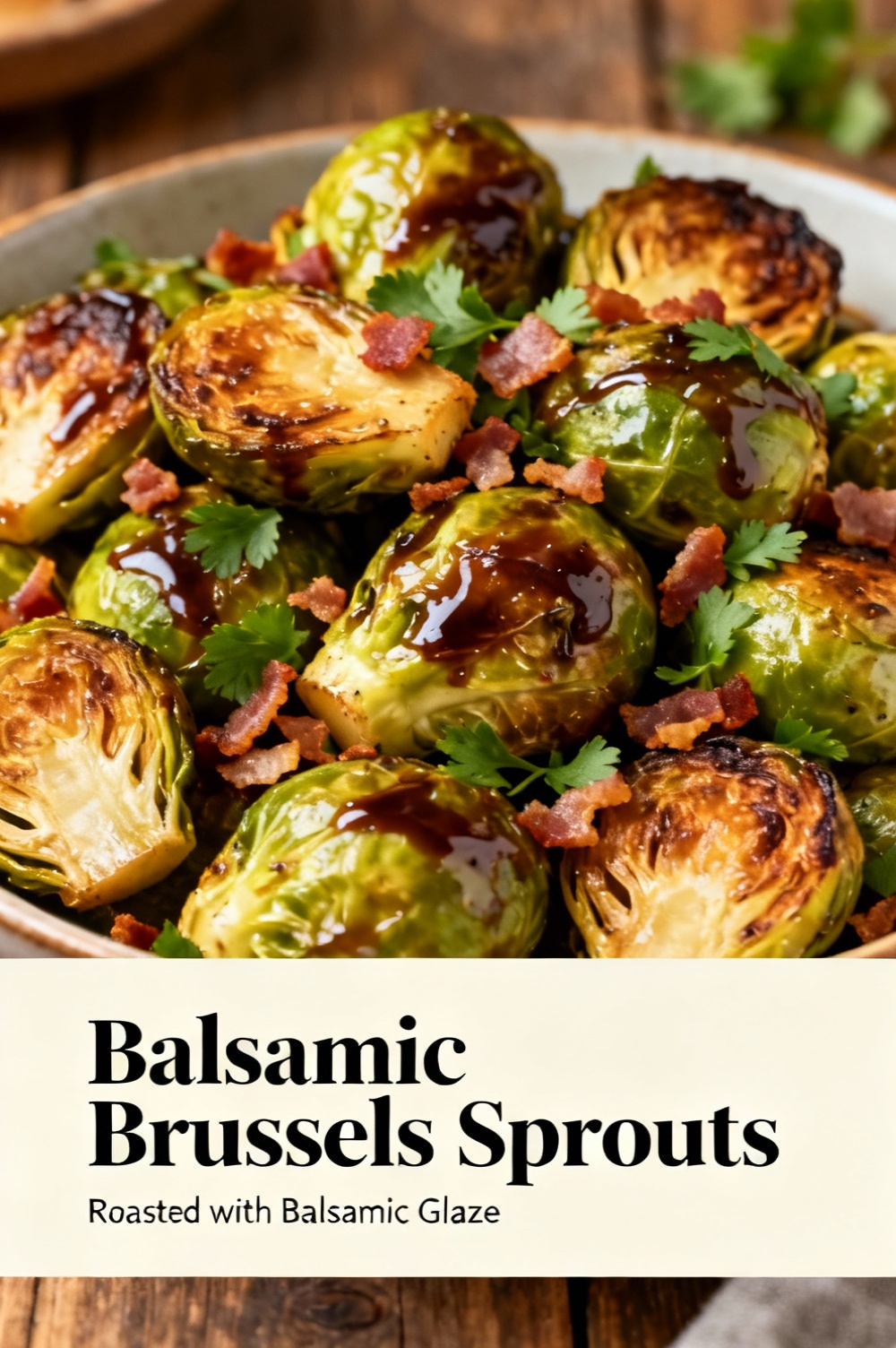
Caramelized, tangy, and slightly sweet — perfect holiday or weeknight side.
Ingredients
- 1 lb (450 g) Brussels sprouts, trimmed and halved
- 2 tbsp olive oil
- 2 tbsp balsamic vinegar
- 1 tbsp honey or maple syrup
- 2 cloves garlic, minced
- ½ tsp kosher salt (adjust to taste)
- ¼ tsp freshly ground black pepper
- ¼ tsp red pepper flakes (optional)
- 2 tbsp grated Parmesan cheese (optional)
Instructions
- Preheat oven to 425°F (220°C). Line a baking sheet with parchment paper or foil.
- Trim the stem ends of the Brussels sprouts and halve each one. Pat dry with a towel.
- In a large bowl, toss the sprouts with olive oil, minced garlic, salt, pepper, and red pepper flakes (if using) until evenly coated.
- Arrange the sprouts cut-side down on the prepared baking sheet in a single layer. Roast 20–25 minutes, until deeply golden and crispy at the edges; shake the pan or stir once about halfway through cooking.
- While the sprouts roast, make the glaze: combine balsamic vinegar and honey in a small saucepan. Simmer over medium-low heat 5–8 minutes, stirring occasionally, until reduced and syrupy. Remove from heat.
- When sprouts are done, transfer to a large bowl. Drizzle the balsamic glaze over the hot sprouts and toss to coat. Sprinkle with grated Parmesan if desired and serve immediately.
Nutrition Information
- Calories: 130 kcal
- Cholesterol: 5 mg
- Sodium: 220 mg
- Carbohydrates: 12 g
- Fiber: 4 g
- Sugar: 6 g
- Protein: 4 g