Mashed Cauliflower
Introduction
Could swapping your mashed potatoes for mashed cauliflower cut carbs by up to 75% while keeping the creamy comfort you crave? Data from USDA nutrition tables and low-carb diet analyses show cauliflower delivers substantial calorie and carb savings versus potatoes, making it one of the most effective swaps for weight-conscious and keto eaters—yet many people still worry it won’t satisfy. This recipe proves mashed cauliflower can be velvety, flavorful, and versatile enough to replace traditional mash without compromising texture or taste.
Ingredients List
- 1 large head cauliflower (about 1.5–2 lb), trimmed into florets — choose firm, pale-white florets for the sweetest, mildest flavor.
- 2–3 tbsp unsalted butter (or ghee for slightly nutty aroma) — offers a silkier mouthfeel and richer aroma.
- 1/4–1/3 cup milk, half-and-half, or dairy-free milk (unsweetened almond or oat for creaminess) — adjust for desired consistency.
- 2 tbsp cream cheese or 1/4 cup sour cream (optional) — adds tang and body; use vegan cream cheese for dairy-free.
- 2–3 cloves garlic, roasted or crushed (optional) — roasted garlic brings sweetness; raw yields a sharper punch.
- Salt and freshly ground black pepper to taste.
- 2 tbsp grated Parmesan or 2 tbsp nutritional yeast (vegan option) — adds umami and savory depth.
- Chopped chives, parsley, or rosemary for garnish.
Substitutions and sensory notes: For a richer, keto-friendly mash, use heavy cream and extra butter (silky, indulgent). For lighter braise, use plain Greek yogurt (tangy, protein boost). For a dairy-free, savory profile, use olive oil + nutritional yeast (fruitier aroma, umami finish).
Timing
Prep time: 10 minutes.
Cook time: 12–15 minutes (steaming) or 25–30 minutes (roasting).
Total time: 22–25 minutes (steamed method), which is roughly 20–30% faster than the standard mashed potato recipe that often requires 35–45 minutes of boiling and mashing. Choosing roasting adds time but concentrates sweetness and yields a slightly nuttier, caramelized flavor.
Step 1: Choose and prep the cauliflower
Wash the head, remove core, and cut into uniform florets to ensure even cooking. Smaller, consistent pieces cook quicker and blend smoother—aim for florets about 1–1.5 inches. Tip: save trimmed stems to roast later or add to a soup to reduce waste and increase value.
Step 2: Cook to the right tenderness
Steaming: place florets in a steamer basket over boiling water, cover, and steam 10–12 minutes until fork-tender. Boiling: boil gently for 8–10 minutes but avoid overboiling to prevent waterlogging. Roasting: toss florets in a little oil, roast at 425°F (220°C) for 20–25 minutes until edges brown for added depth. Tip: steaming preserves more vitamin C and reduces water uptake; roasting amplifies sweetness and texture.
Step 3: Drain and dry thoroughly
After cooking, transfer cauliflower to a fine mesh sieve or cheesecloth and press or spin out excess moisture—this step is crucial. Excess water leads to a thin, gluey mash. Tip: for best texture, let the cooked cauliflower rest on paper towels for 2–3 minutes, then press gently to remove trapped steam.
Step 4: Blend with control
Transfer drained cauliflower to a food processor or high-quality blender. Add butter and a splash of warm milk or cream. Pulse in short bursts until smooth but not paste-like. Tip: avoid using an immersion blender or high-speed blender for too long—over-processing releases starches and creates a gummy texture. For chunkier mash, mash by hand or use a ricer for controlled creaminess.
Step 5: Season and build flavor layers
Add salt, pepper, and your chosen umami (Parmesan or nutritional yeast). Stir in roasted garlic or sour cream for tang and balance. Taste and adjust acidity with a small squeeze of lemon if the mash tastes flat. Tip: seasoning gradually and tasting as you go yields a more nuanced final result.
Step 6: Finish and serve hot
Transfer to a warm serving dish and add a final pat of butter or drizzle of olive oil, plus herb garnish. Heat briefly if necessary in a 350°F oven for 5–7 minutes to meld flavors before serving. Tip: if reheating later, add a splash of milk and re-whip to restore creaminess.
Nutritional Information
Estimated nutrition per 1-cup serving (steamed cauliflower mashed with 2 tbsp butter and 1/4 cup whole milk): Calories ~140 kcal; Protein 3–4 g; Carbohydrates 7–9 g; Fiber 3 g; Fat 11–12 g; Vitamin C ~45–55% DV; Vitamin K ~8–10% DV. Comparison: an equivalent serving of mashed potatoes (with butter and milk) typically ranges 200–240 kcal and 30–35 g carbs, so mashed cauliflower can cut carbs by around 60–75% and reduce calories by roughly 30–40% depending on preparation. For vegan or low-fat versions, swap butter for 1 tbsp olive oil and use unsweetened almond milk to drop calories and fat; expect calories around 90–110 kcal per cup.
Healthier Alternatives for the Recipe
- Keto: Use heavy cream and extra butter or cream cheese; maintain very low carbs and high fat, keeping texture indulgent.
- Vegan: Replace butter and cream with extra-virgin olive oil, plant-based butter, and nutritional yeast for cheesy depth. Add silken tofu for creaminess and a protein boost.
- Lower-fat: Substitute Greek yogurt for cream cheese and use a small amount of olive oil instead of butter to cut saturated fat while adding protein.
- Low-FODMAP: Omit garlic and use garlic-infused oil for flavor without FODMAPs; use lactose-free milk if needed.
Creative twist: blend in roasted cauliflower stems plus a handful of cooked cauliflower rice for fiber and subtle texture variation.
Serving Suggestions
Serve mashed cauliflower as a classic Thanksgiving side, topped with pan gravy or turkey drippings for familiarity. Pair it with braised short ribs, roasted salmon, or mushroom ragù for a vegetarian main. For weeknight bowls, top with chili, shredded chicken, or a roasted vegetable medley to turn the mash into a hearty base. Personal tip: swirl in salsa verde or chimichurri for bright, herbaceous contrast, or top with caramelized onions and crispy bacon for a decadent crowd-pleaser.
Common Mistakes to Avoid
- Overcooking: Causes waterlogging and sulfurous smell; cook until just fork-tender.
- Not draining enough: Leaving excess water results in a thin, watery mash—spin or press out moisture thoroughly.
- Over-blending: High-speed or prolonged blending makes a gluey texture—pulse and check frequently.
- Under-seasoning: Cauliflower is mild; season in stages and taste. Add acid (lemon or vinegar) to brighten flavors.
- Using cold dairy: Warm milk/cream blends more smoothly—temper dairy before adding to avoid chilling the mash.
Storing Tips for the Recipe
Refrigerate leftovers in an airtight container for up to 3–4 days. Reheat gently on stovetop over low heat with a splash of milk or broth and stir to rehydrate; microwave with short bursts and stir between cycles. Freeze in portioned containers for up to 3 months; thaw in fridge overnight and re-whip with a little liquid. To prep ahead: cook and dry florets the day before and store drained cauliflower in the fridge; blend and finish just before serving to keep texture optimal.
Conclusion
Mashed cauliflower is a fast, flexible, and nutrient-dense alternative to traditional mashed potatoes—offering significant carb and calorie reductions without sacrificing comfort or flavor. With attention to cooking method, moisture control, and seasoning, you can produce a creamy, satisfying mash that fits keto, vegan, or low-calorie goals while delighting a broad audience. Try this method, tweak the fat and seasonings to your taste, and share how you transform it—leave a comment or tag your photo to tell us your favorite variation.
FAQs
Q: Can I use frozen cauliflower?
A: Yes. Thaw and steam or microwave until tender, then drain and press very well—frozen cauliflower contains more water, so extra draining is critical to avoid a watery mash.
Q: Is mashed cauliflower suitable for babies?
A: For babies (6+ months) who have started solids, make a very smooth puree with breast milk, formula, or water and omit added salt. Ensure it's cooled and appropriately textured for their stage.
Q: How can I make it fluffier like mashed potatoes?
A: Add a small amount of starchy vegetable (e.g., a spoonful of cooked, mashed potato or parsnip) or a tablespoon of cream cheese; avoid over-processing and use a ricer for a lighter texture.
Q: Can I make this in advance for a holiday?
A: Yes—prepare and store cooked, drained cauliflower and reheat with fresh butter and milk to finish just before serving for the best texture and flavor.
Q: Will it freeze well?
A: Yes, but texture can change slightly. Freeze in portions, thaw overnight, then reheat gently with added liquid and rewhip for best results.
Explore related recipes like roasted cauliflower steaks, cauliflower rice bowls, or cauliflower gratin for more ways to use this versatile vegetable and keep your menu exciting.
Mashed Cauliflower
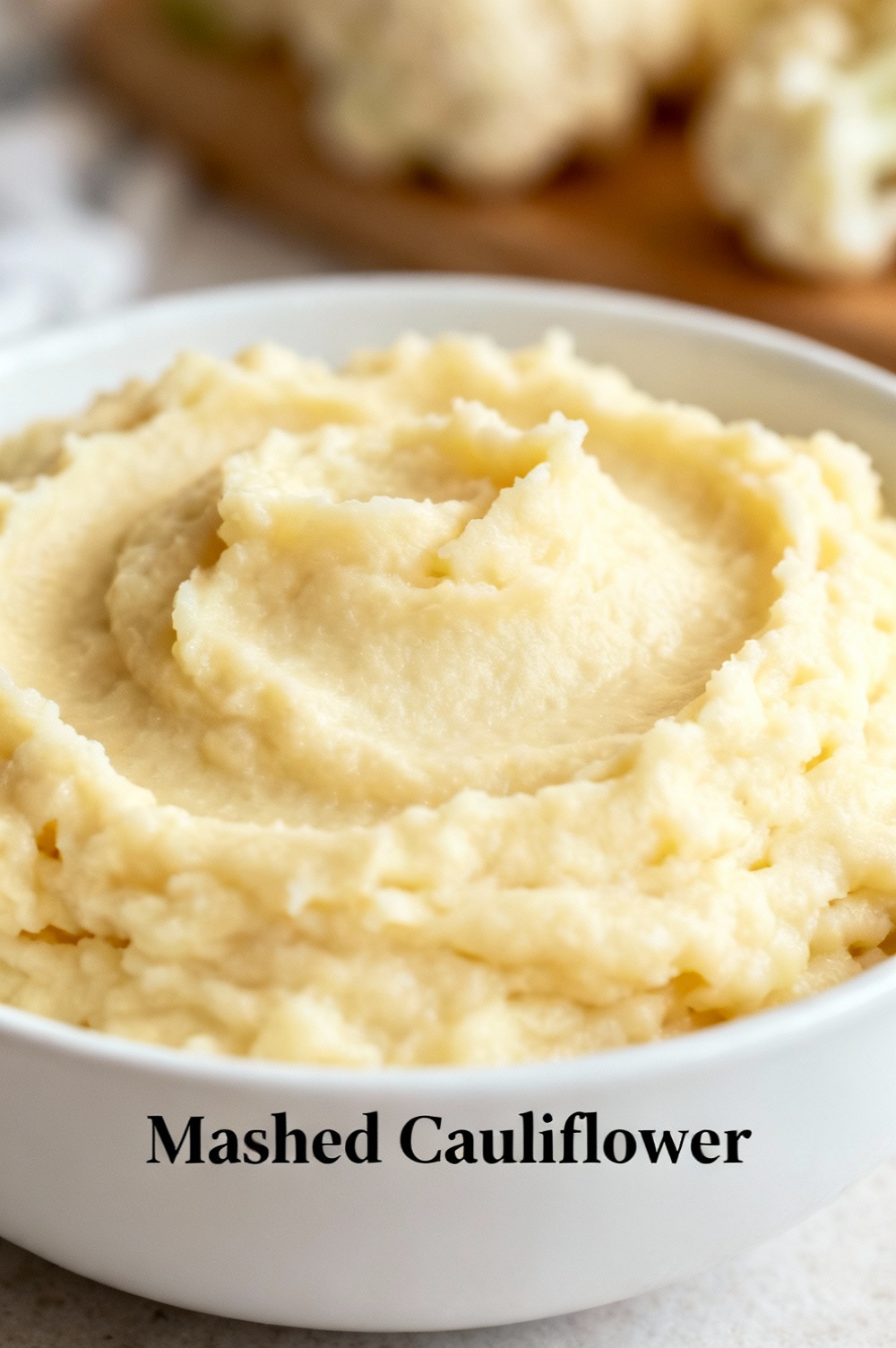
A creamy, lower-carb alternative to mashed potatoes — smooth, garlicky, and perfect as a comforting side.
Ingredients
- 1 large head cauliflower (about 1.2–1.5 lb / 550–700 g), trimmed and cut into florets
- 3 tablespoons unsalted butter (or 2 tbsp olive oil for dairy-free)
- 1/4 cup whole milk (60 ml) — or unsweetened almond milk for dairy-free
- 2 tablespoons sour cream or cream cheese (optional, for extra creaminess)
- 2 cloves garlic, minced
- Salt and freshly ground black pepper, to taste
- 2 tablespoons chopped fresh chives or parsley, for garnish
- Optional: 2 tablespoons grated Parmesan or a pinch of nutmeg
Instructions
- Bring a large pot of salted water to a boil. Add the cauliflower florets and cook until very tender, about 8–12 minutes (or steam for 10–12 minutes).
- Thoroughly drain the cauliflower and return it to the hot pot. Let it sit for 1–2 minutes so excess moisture evaporates.
- Transfer the cauliflower to a food processor (or blender). Add the butter, milk, sour cream (if using), and minced garlic.
- Process until smooth and creamy, stopping to scrape down the sides as needed. For a chunkier texture, mash by hand with a potato masher.
- Adjust seasoning with salt and pepper. If the mash is too thick, add a splash more milk to reach desired consistency. Stir in Parmesan if using.
- Serve warm, garnished with chopped chives and an extra pat of butter or a drizzle of olive oil.
Nutrition Information
- Calories: 140 kcal (per serving, approximate)
- Cholesterol: 25 mg
- Sodium: 200 mg
- Carbohydrates: 8 g
- Fiber: 3 g
- Sugar: 1.5 g
- Protein: 3 g